Understanding the food-safe packaging lifecycle is essential for anyone involved in the food industry, from manufacturers and suppliers to retailers and consumers. The journey of food packaging goes far beyond simply wrapping products; it involves careful material selection, strict hygiene protocols, regulatory compliance, and sustainable end-of-life management. Each stage is designed to protect food quality, ensure consumer safety, and minimize environmental impact.
This guide explores the key phases of food packaging, highlights the importance of compliance and innovation, and offers insights into how businesses and consumers can make informed choices. For those interested in how packaging interacts with recycling systems, our resource on food-safe packaging and recycling provides additional context.
Key Stages in the Lifecycle of Food-Safe Packaging
The path of food packaging from creation to disposal involves several interconnected phases. Each stage plays a crucial role in maintaining food safety, extending shelf life, and supporting regulatory and sustainability goals.
Material Selection and Sourcing
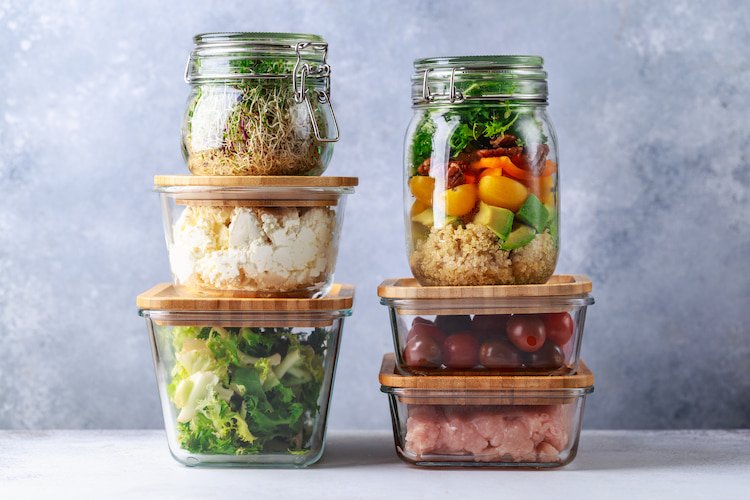
The lifecycle begins with choosing appropriate materials. Packaging must meet stringent safety standards to prevent contamination and preserve food quality. Common options include plastics, glass, metals, and paper-based products. Increasingly, manufacturers are turning to biodegradable or compostable materials to reduce environmental impact.
Material sourcing also involves verifying supplier certifications and ensuring traceability. This step is vital for maintaining compliance with food safety regulations and for supporting transparency throughout the supply chain.
Manufacturing and Conversion Processes
Once materials are sourced, they undergo manufacturing processes such as molding, forming, and printing. During these steps, strict hygiene protocols are enforced to prevent any risk of contamination. Facilities must adhere to Good Manufacturing Practices (GMP) and may be subject to audits by regulatory agencies.
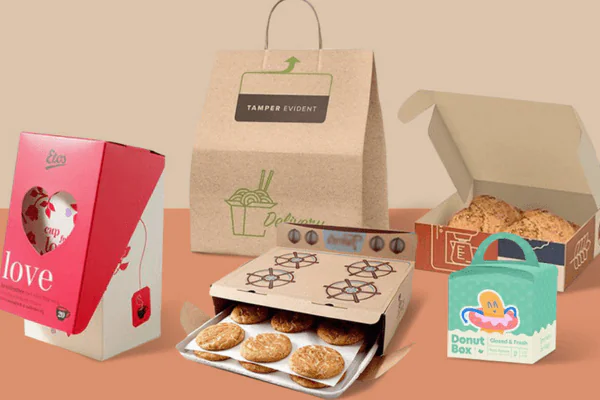
Conversion processes include cutting, sealing, and assembling packaging into its final form. Any inks, adhesives, or coatings used must also be food-safe and approved for direct or indirect food contact.
Filling, Sealing, and Distribution
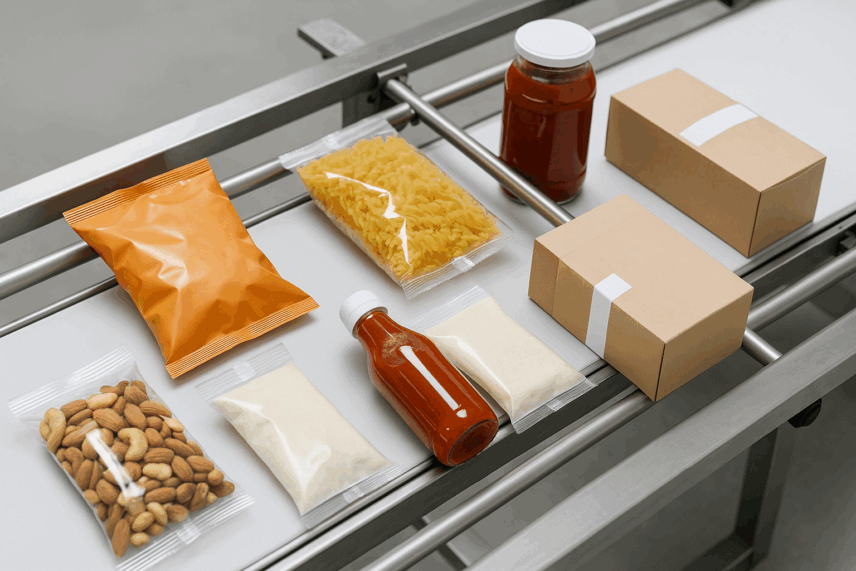
After packaging is manufactured, it is filled with food products in controlled environments. Automated systems are commonly used to minimize human contact and reduce contamination risks. Sealing methods—such as heat sealing, vacuum sealing, or modified atmosphere packaging—help extend shelf life and maintain product integrity.
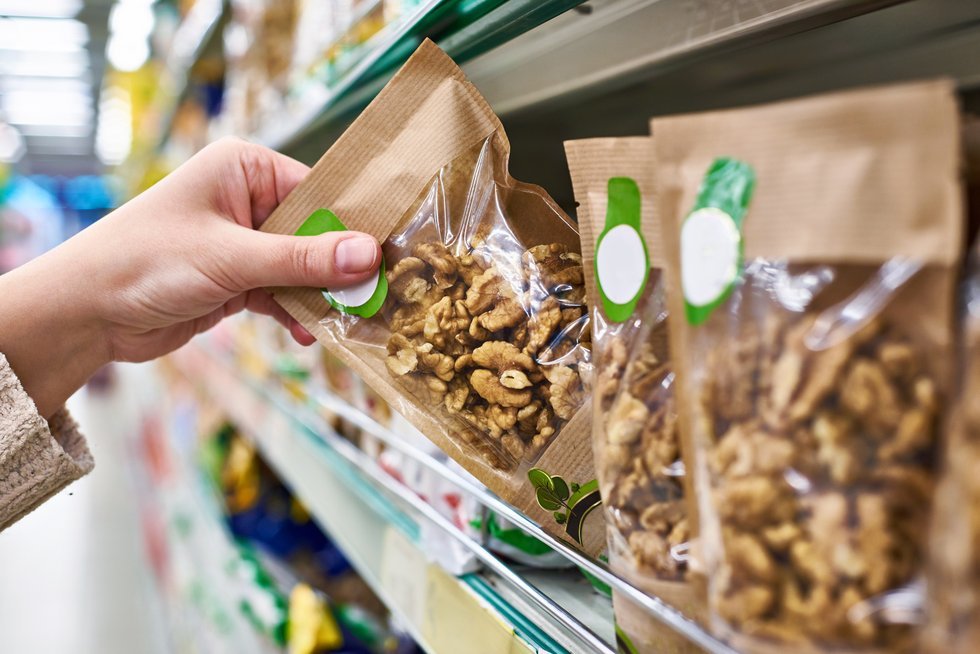
Once sealed, packaged food is transported through distribution networks. During this stage, maintaining the integrity of the packaging is critical to prevent spoilage or tampering. Temperature control, careful handling, and traceability systems all contribute to ensuring food safety.
Regulations and Compliance in the Food Packaging Lifecycle
Regulatory oversight is fundamental at every stage of the food-safe packaging lifecycle. Agencies such as the FDA (U.S.), EFSA (Europe), and other national bodies set standards for materials, manufacturing processes, and labeling. Compliance ensures that packaging does not leach harmful substances into food and that it meets hygiene and traceability requirements.
Businesses must stay updated on evolving regulations, especially as new materials and technologies emerge. For instance, active packaging for food safety and antimicrobial solutions are subject to additional scrutiny due to their direct impact on food preservation.
Innovations and Trends Impacting Food Packaging
The industry is rapidly evolving, with new innovations designed to enhance safety, sustainability, and consumer convenience. Recent trends include:
- Smart packaging that monitors freshness or signals spoilage
- Use of recyclable and compostable materials to reduce waste
- Integration of antimicrobial agents to extend shelf life
- Color-changing indicators for real-time food quality feedback
For a deeper look at these developments, see our article on color changing food-safe packaging.
End-of-Life Considerations: Recycling and Disposal
The final phase of the packaging journey focuses on what happens after use. Proper disposal and recycling are crucial for minimizing environmental impact. Many food packages are designed for single use, but there is a growing push for recyclable and compostable options.
Initiatives such as plastic recycling in food packaging are helping to close the loop, turning used materials into new products. Consumers play a key role by sorting waste correctly and supporting brands that prioritize sustainable packaging.
Businesses are also exploring take-back programs and partnerships with recycling facilities to ensure responsible end-of-life management. Clear labeling and consumer education are essential for improving recycling rates and reducing contamination in waste streams.
Best Practices for Ensuring Food Safety Throughout the Packaging Journey
Maintaining food safety is a shared responsibility across the entire lifecycle. Here are some best practices for businesses and consumers:
- Source materials from certified suppliers with robust traceability systems
- Implement strict hygiene protocols during manufacturing and filling
- Regularly audit processes to ensure compliance with regulations
- Educate staff and consumers about proper handling and disposal
- Stay informed about new materials and technologies that enhance safety
For a comprehensive overview of safe packaging solutions, the complete guide to food-safe packaging solutions offers valuable insights into current industry standards and innovations.
FAQ: Common Questions About the Food Packaging Lifecycle
What materials are considered safe for food packaging?
Materials approved for food contact include certain types of plastics, glass, metals (like aluminum and tinplate), and food-grade paper or cardboard. These materials must meet regulatory standards to ensure they do not transfer harmful substances to food.
How can consumers identify recyclable food packaging?
Look for recycling symbols and clear labeling on packaging. Many brands now provide information about recyclability or compostability. When in doubt, check local recycling guidelines or visit resources on food-safe packaging and recycling.
What role does antimicrobial packaging play in food safety?
Antimicrobial packaging incorporates agents that inhibit the growth of bacteria or mold, helping to extend shelf life and reduce spoilage. These solutions are especially useful for perishable foods. For more details, see our article on antimicrobial food-safe packaging.
Are there regulations for new packaging technologies?
Yes, any new technology—such as smart packaging or active materials—must undergo rigorous testing and approval by regulatory agencies before being used for food contact. This ensures consumer safety and product integrity.
Conclusion
The journey of food packaging is complex and multifaceted, involving careful material selection, strict manufacturing protocols, regulatory compliance, and responsible end-of-life management. By understanding each phase of the food-safe packaging lifecycle, businesses and consumers can make informed choices that protect food quality, support sustainability, and ensure safety from production to disposal.