For small food brands, bakeries, cafes, and home-based producers, finding the right food-safe packaging for small businesses is essential. Not only does it protect your products and extend shelf life, but it also ensures compliance with health regulations and builds trust with your customers. With so many options available, understanding what makes packaging “food-safe” and how to choose the best solution can feel overwhelming.
This article breaks down the essentials of safe packaging for food, highlights important regulations, and offers practical tips for selecting materials and suppliers. If you’re looking for tailored solutions, you may also want to explore custom food-safe packaging solutions that fit your unique business needs.
Understanding Food-Safe Packaging Requirements
Packaging that comes into direct contact with food must meet strict safety standards. These requirements are set to prevent contamination, preserve freshness, and maintain the quality of your products. For small business owners, knowing the basics of these standards is crucial to avoid costly mistakes and ensure consumer safety.
In most regions, food packaging must be made from materials that do not transfer harmful chemicals, odors, or flavors to the food. This includes compliance with regulations from agencies like the FDA (U.S.), EFSA (Europe), or local health authorities. Labels such as “food-grade,” “BPA-free,” or “compostable” can help identify safe options, but always verify certifications from your supplier.
For deeper insights into preventing contamination, see this guide on food-safe packaging contamination prevention.
Types of Food-Safe Packaging Materials for Small Businesses
Choosing the right material depends on your product type, shelf life, and brand values. Here are some of the most common options for small-scale producers:
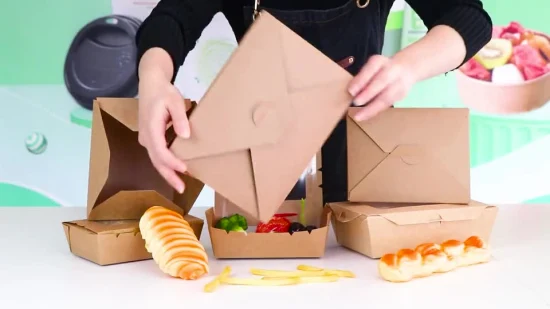
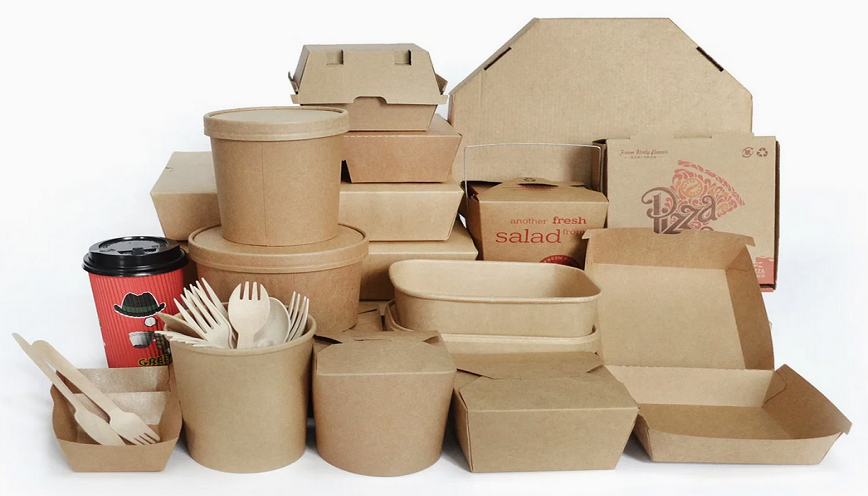
- Paper and Cardboard: Widely used for dry goods, bakery items, and takeout. Look for options with food-grade coatings to prevent grease or moisture leaks.
- Plastic: Includes PET, HDPE, and PP containers. These are lightweight, durable, and suitable for both solids and liquids. Ensure plastics are labeled as food-safe and free from harmful additives.
- Glass: Ideal for jams, sauces, and beverages. Glass is inert, reusable, and offers a premium feel, but can be heavier and more expensive to ship.
- Metal: Used for canned foods and beverages. Aluminum and tin are common, but coatings must be food-safe to prevent reactions.
- Biodegradable and Compostable Materials: Made from plant fibers, PLA, or bagasse, these are increasingly popular for eco-conscious brands.

Each material has its pros and cons. Paper is affordable and customizable but may not suit wet foods. Plastics are versatile but raise environmental concerns. Glass and metal offer excellent protection but can increase costs.
For a more detailed comparison of packaging types and how to select the best fit, check out this comprehensive guide to food packaging materials.
How to Identify Certified Food-Safe Packaging
Not all packaging labeled as “safe” meets the necessary standards. To ensure compliance, look for:
- Certifications: FDA, EU, or local food safety marks on the packaging or supplier documentation.
- Material Specifications: Confirm that plastics are BPA-free and that papers are unbleached or coated with food-grade substances.
- Supplier Transparency: Reputable suppliers provide test results, certificates, and clear labeling for their products.
- Batch Testing: For critical products, consider requesting batch-specific test results or conducting your own third-party testing.
For more on maintaining hygiene standards, see this article on food-safe packaging hygiene.
Eco-Friendly Food Packaging Options for Small Producers
Many small businesses are shifting toward sustainable packaging to reduce their environmental impact and appeal to eco-conscious consumers. Options include compostable containers, biodegradable films, and recycled paper products. These alternatives can help your brand stand out while still meeting safety requirements.
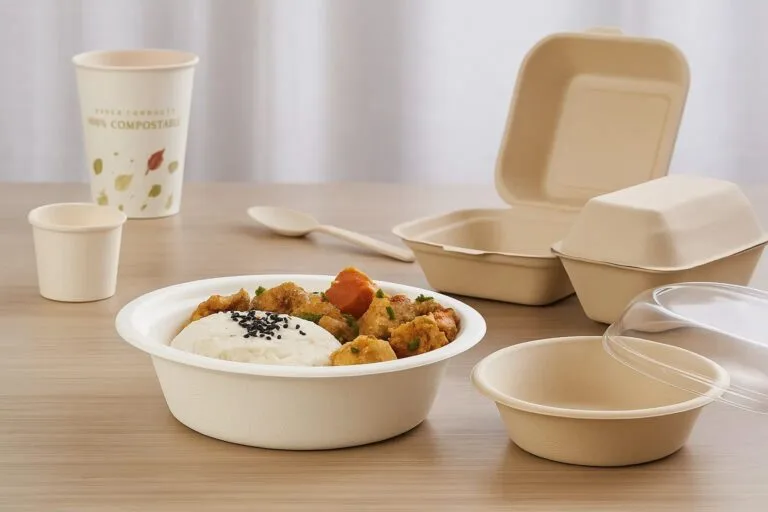
When choosing eco-friendly options, make sure they are certified for food contact and suitable for your specific products. Some biodegradable materials may not be ideal for hot, oily, or liquid foods, so always test before committing to a large order.
If you want to learn about the differences between safe and unsafe packaging, visit this resource on food-safe packaging vs non-food-safe packaging.
Labeling, Printing, and Customization for Food Packaging
Proper labeling is more than just branding—it’s a legal requirement. All food packaging should include ingredient lists, allergen warnings, expiry dates, and batch numbers where applicable. Custom printing can help you meet these needs while reinforcing your brand identity.
Digital printing offers flexibility for small runs, allowing you to update designs or information as needed. For more on this topic, see the guide on digital printing for food-safe packaging.
Customization also extends to shapes, sizes, and closures. Consider resealable bags, tamper-evident seals, or windowed boxes to enhance product appeal and functionality.
Best Practices for Sourcing and Storing Food-Safe Packaging
To maintain the integrity of your packaging and the safety of your food products, follow these best practices:
- Work with reputable suppliers who specialize in food-grade materials and can provide documentation.
- Store packaging in a clean, dry, and pest-free environment to prevent contamination.
- Order in quantities that match your production schedule to avoid long-term storage and potential degradation.
- Train staff on proper handling and storage procedures to minimize risks.
Regularly review your packaging processes and stay updated on regulatory changes to ensure ongoing compliance.
FAQ: Food-Safe Packaging for Small Businesses
What makes packaging “food-safe”?
Packaging is considered food-safe if it is made from materials that do not transfer harmful chemicals, odors, or flavors to the food. It must comply with relevant health and safety regulations and be certified by recognized authorities.
How can I tell if packaging is certified for food use?
Look for certifications or marks from agencies like the FDA, EFSA, or your local health department. Suppliers should provide documentation proving compliance. Always request proof if it’s not clearly labeled.
Are eco-friendly packaging materials always food-safe?
Not all sustainable materials are suitable for direct food contact. Always verify that compostable or biodegradable packaging is certified for food use and test it with your products to ensure suitability.
Selecting the right food-safe packaging for small businesses is a crucial step in protecting your products, meeting legal requirements, and building a trustworthy brand. By understanding the basics, prioritizing safety and sustainability, and working with reliable suppliers, you can ensure your food reaches customers in the best possible condition.