Storing food safely in the refrigerator is essential for maintaining freshness, preventing contamination, and ensuring the health of consumers. The right packaging plays a critical role in this process. Whether you’re a food manufacturer, retailer, or simply looking to keep your household groceries safe, understanding the essentials of food-safe packaging for refrigerators can help you make informed decisions and avoid common pitfalls.
This article explores the key materials, standards, and best practices for packaging food for cold storage. We’ll also discuss how to identify compliant products and what to look for when selecting packaging solutions for chilled environments. For a deeper dive into regulatory testing, you may also want to review our guide on food-safe packaging migration testing.
Understanding the Basics of Chilled Food Packaging
Not all packaging is created equal, especially when it comes to refrigeration. Food-safe packaging for refrigerators must meet strict standards to ensure that materials do not leach harmful chemicals into food, even at low temperatures. These standards are set by regulatory bodies such as the FDA in the United States and the European Food Safety Authority (EFSA) in Europe.
The main goals of safe packaging for refrigerated foods are:
- Preventing contamination from external sources
- Maintaining food quality and freshness
- Ensuring that packaging materials do not interact negatively with the food
- Withstanding cold and moisture without degrading
Key Materials Used in Refrigerator-Safe Packaging
Choosing the right material is crucial for effective food storage in the fridge. The most common materials used for this purpose include:
- Polyethylene (PE) and Polypropylene (PP): Widely used for bags, wraps, and containers. These plastics are known for their moisture resistance and chemical stability.
- Polyethylene Terephthalate (PET): Commonly found in clear containers and bottles, PET is valued for its strength and barrier properties.
- Glass: Non-reactive and impermeable, glass jars and containers are a safe choice for many refrigerated foods.
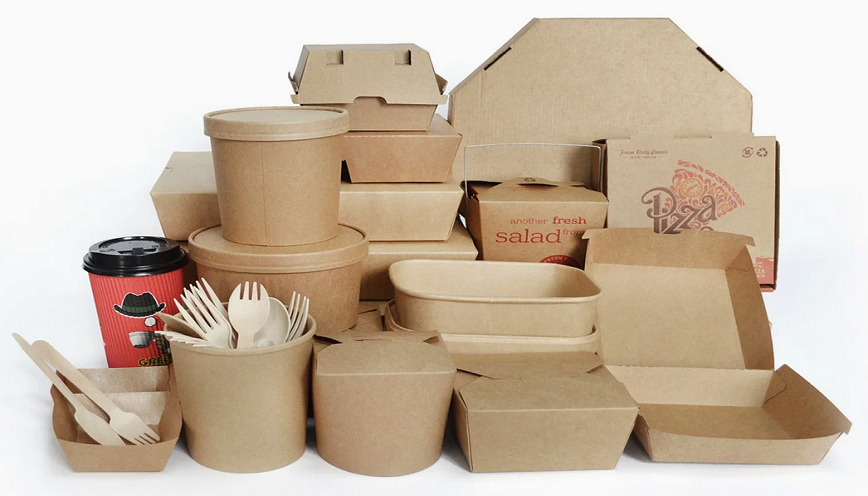
- Food-grade paperboard: Used for items like takeout boxes and deli wraps, provided they have a suitable coating to resist moisture.
It’s important to verify that any packaging labeled as “food-safe” is certified for cold storage. Some plastics, for example, may become brittle or leach chemicals at low temperatures if not specifically designed for refrigeration.
Regulatory Standards and Certifications
Compliance with food safety regulations is non-negotiable for any packaging used in cold storage. Look for packaging that meets standards such as:
- FDA Food Contact Substance Regulations (for the U.S.)
- EU Framework Regulation (EC) No 1935/2004 (for Europe)
- Certifications from recognized third-party organizations
These regulations ensure that packaging materials are tested for migration of substances, durability, and overall safety. For more details on how packaging is tested, see our article on food-safe packaging inspection.
Best Practices for Selecting Food-Safe Packaging for Refrigerators
When choosing packaging for refrigerated foods, consider the following best practices:
- Check for Certifications: Always look for official food safety symbols or documentation. This confirms the packaging is suitable for direct food contact and cold storage.
- Assess Barrier Properties: Packaging should protect against moisture, oxygen, and odors, which can all affect food quality in the fridge.
- Evaluate Durability: Materials should remain intact and not crack or degrade at low temperatures.
- Consider Sustainability: Whenever possible, choose recyclable or compostable options that are also food-safe.
- Match Packaging to Food Type: Different foods have different storage needs. For example, raw meats require leak-proof containers, while produce benefits from breathable packaging.

Common Mistakes to Avoid with Chilled Food Packaging
Even well-intentioned choices can lead to problems if the wrong packaging is used. Some frequent mistakes include:
- Using non-food-grade containers or wraps
- Reusing single-use packaging that wasn’t designed for repeated cold storage
- Storing acidic or fatty foods in packaging that isn’t tested for those substances
- Ignoring expiration dates or signs of wear on packaging
Avoiding these pitfalls helps ensure that food stays safe and fresh, and reduces the risk of contamination or spoilage.
How to Identify Reliable Suppliers and Products
The market for food packaging is vast, but not all suppliers offer products that meet the rigorous demands of refrigerated storage. Here are some tips for sourcing trustworthy solutions:
- Request documentation of food safety compliance from suppliers
- Look for established brands with a track record in the industry
- Check for product reviews and third-party certifications
- Consider working with food-safe packaging manufacturers who specialize in cold storage solutions
For more insights on sourcing and distribution, see our overview of food-safe packaging distributors.
Trends and Innovations in Refrigerator-Ready Food Packaging
The industry is constantly evolving to meet consumer demands for safety, convenience, and sustainability. Some current trends include:
- Biodegradable and compostable materials that are still safe for food contact and cold storage
- Smart packaging with indicators for freshness or temperature exposure
- Improved barrier coatings that extend shelf life without adding bulk
- Custom-fit containers designed for specific food types and refrigerator layouts
Staying informed about these innovations can help businesses and consumers make better choices for both safety and sustainability.
Additional Resources and Further Reading
For those interested in learning more about the science and regulations behind safe food packaging, there are many resources available. A comprehensive overview can be found in this in-depth article on food-safe packaging standards and practices. If you’re deciding between different options, our guide on how to choose food-safe packaging offers practical advice for businesses and consumers alike.
Frequently Asked Questions
What makes packaging “food-safe” for refrigeration?
Packaging is considered food-safe for refrigeration if it is made from materials that do not leach harmful chemicals into food, even at low temperatures. It must also be durable, moisture-resistant, and compliant with relevant food safety regulations.
Can I reuse containers or wraps for storing food in the fridge?
Only containers and wraps labeled as reusable and food-safe should be reused. Single-use packaging may break down or become unsafe after repeated use, especially in cold and moist environments.
How do I know if a packaging material is suitable for cold storage?
Look for certifications or labels indicating suitability for refrigeration or freezer use. Check for compliance with FDA or EU standards, and consult supplier documentation when in doubt.