The world of quick-service dining relies on more than just speedy preparation and tasty menu items. One of the most critical, yet often overlooked, components is food-safe packaging for fast food. This type of packaging plays a vital role in ensuring that meals remain fresh, uncontaminated, and appetizing from the kitchen to the customer’s hands. Whether you’re a restaurant owner, packaging supplier, or simply a curious consumer, understanding the essentials of safe packaging can help you make informed choices and appreciate the science behind every takeaway bag or burger box.
As the fast food industry evolves, so do the standards and innovations in packaging. From eco-friendly materials to advanced barrier technologies, the choices made in packaging design can impact not only food safety but also customer satisfaction and brand reputation. For those interested in how packaging design influences user experience, you can explore more about food-safe packaging user experience and its importance in the industry.

Why Safe Packaging Matters in Quick-Service Restaurants
In fast food operations, packaging is not just about convenience or branding—it’s a frontline defense against contamination and spoilage. Food-safe packaging ensures that meals are protected from external elements such as bacteria, dust, and moisture during transport and storage. Without proper packaging, even the freshest ingredients can become compromised, leading to foodborne illnesses or diminished taste and texture.
Regulatory bodies worldwide set strict standards for materials that come into direct contact with food. These regulations help guarantee that packaging does not leach harmful chemicals or alter the flavor and aroma of the food. For fast food businesses, compliance with these standards is non-negotiable, as it directly affects customer trust and legal liability.
Common Materials Used in Fast Food Packaging
The choice of material is crucial for both safety and functionality. Here’s a look at some of the most widely used options in the industry:
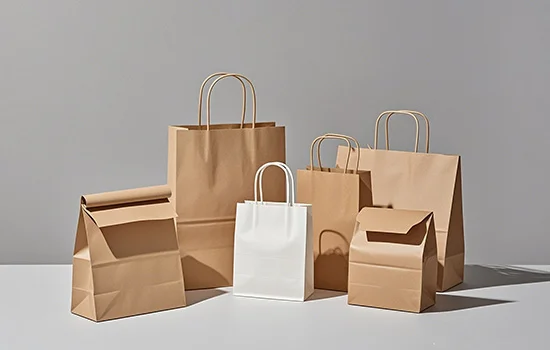
- Paper and Cardboard: Often used for burger wrappers, fry cartons, and takeaway bags, these materials are lightweight, cost-effective, and can be coated to resist grease and moisture.
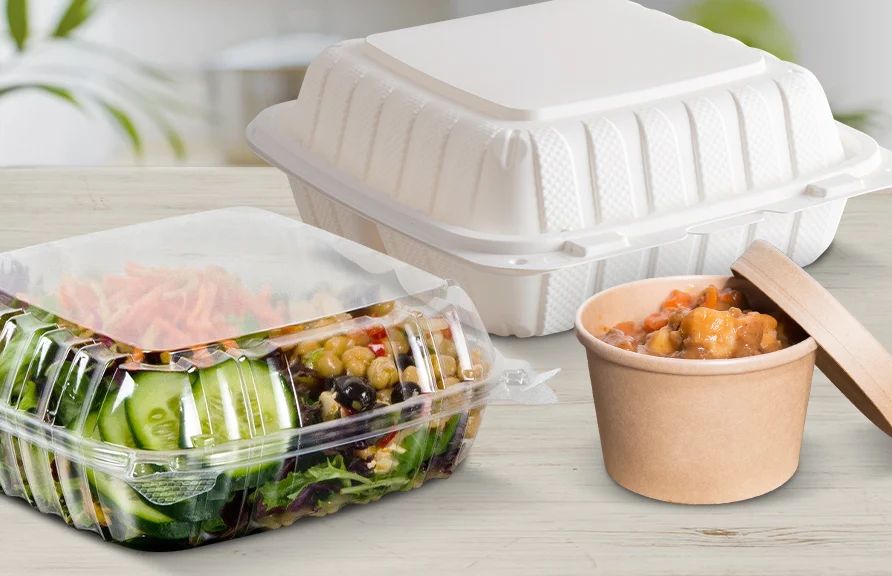
- Plastics: Polyethylene and polypropylene are popular for their durability and moisture resistance. They are commonly found in containers for salads, sauces, and drinks.
- Foil: Aluminum foil is valued for its ability to retain heat and prevent leaks, making it ideal for wrapping hot sandwiches or burritos.
- Biodegradable and Compostable Materials: As sustainability becomes a priority, many brands are turning to plant-based plastics, bagasse (sugarcane fiber), and other eco-friendly options.
For a deeper dive into the various types of materials and their properties, you can refer to this comprehensive guide to food packaging materials.
Key Features of Food-Safe Packaging for Quick Meals
Not all packaging is created equal. To be considered food-safe for fast food, packaging must meet several essential criteria:
- Non-Toxic and Inert: The material must not react with food or release harmful substances.
- Barrier Properties: Effective packaging prevents the transfer of moisture, oxygen, and contaminants.
- Temperature Resistance: It should withstand hot or cold foods without degrading or leaching chemicals.
- Durability: The packaging must be strong enough to protect food during handling and delivery.
- Compliance with Regulations: All materials must adhere to local and international food safety standards.
Fast food businesses often work with packaging suppliers who can provide certification and documentation to prove compliance. This transparency is crucial for maintaining food safety and consumer confidence.
Trends and Innovations in Safe Packaging for Fast Food
The landscape of food-safe packaging for fast food is constantly evolving. Recent years have seen a surge in demand for sustainable options, driven by both consumer awareness and regulatory changes. Brands are now investing in compostable wrappers, recyclable containers, and reusable packaging systems.
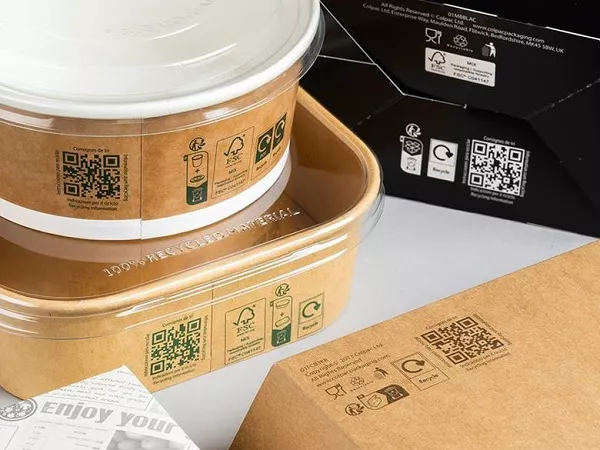
Digital printing technologies are also making it easier for brands to customize packaging with safety information, branding, and QR codes for traceability. To learn more about the latest design and branding approaches, check out these resources on food-safe packaging branding ideas and food-safe packaging design trends.
How to Choose the Right Packaging for Your Fast Food Business
Selecting the best packaging involves balancing safety, cost, sustainability, and customer experience. Here are a few tips for making the right choice:
- Assess Your Menu: Hot, cold, greasy, or delicate foods may require different types of packaging.
- Prioritize Safety Certifications: Work with suppliers who provide documentation proving their materials are food-grade and compliant with regulations.
- Consider Branding Opportunities: Packaging is a powerful marketing tool. Custom printing can reinforce your brand while communicating safety and sustainability messages.
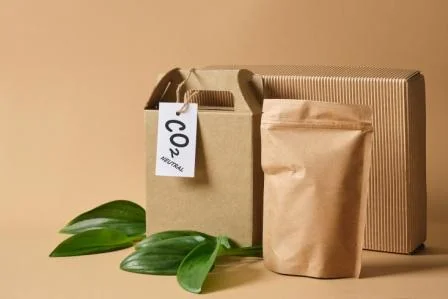
- Think About the Environment: Opt for recyclable or compostable materials whenever possible to reduce your environmental impact.
- Test for Performance: Before committing to a new packaging solution, test it under real-world conditions to ensure it holds up during transport and handling.
For businesses seeking tailored solutions, exploring custom food-safe packaging solutions can help address unique needs and challenges.
Frequently Asked Questions
What makes packaging “food-safe” for fast food?
Packaging is considered food-safe when it is made from materials that do not release harmful chemicals, are resistant to moisture and grease, and comply with food safety regulations. It must also be manufactured in clean environments to prevent contamination.
Are eco-friendly packaging options as safe as traditional materials?
Yes, many eco-friendly packaging materials are designed to meet the same safety standards as conventional options. Look for certifications and supplier documentation to ensure that biodegradable or compostable packaging is suitable for direct food contact.
How can I verify if my packaging supplier meets food safety standards?
Request certifications such as FDA approval, EU food contact compliance, or other relevant documentation. Reputable suppliers should be transparent about their materials and manufacturing processes.
Can packaging affect the taste or smell of fast food?
If packaging is not food-safe, it can sometimes transfer odors or flavors to the food. That’s why it’s important to use materials specifically designed for food contact, which are tested to ensure they do not alter the taste or aroma of the contents.
What are the latest trends in fast food packaging?
Recent trends include the use of compostable and recyclable materials, digital printing for traceability, and packaging designed for delivery and takeaway convenience. There is also a growing focus on minimizing packaging waste and improving user experience.