The world of food-safe packaging design trends is evolving rapidly, shaped by consumer expectations, regulatory requirements, and advances in material science. Businesses in the food industry must stay updated on these changes to ensure safety, sustainability, and brand appeal. Understanding the latest movements in this field helps companies not only comply with food safety standards but also stand out in a competitive market.
As more consumers demand transparency and eco-friendly solutions, packaging designers are rethinking materials, graphics, and functionality. From compostable containers to tamper-evident seals, the focus is on protecting food while minimizing environmental impact. For small businesses, learning about these trends can be especially valuable. If you’re interested in how these developments affect smaller enterprises, explore food-safe packaging for small businesses for additional insights.
Why Food Safety Drives Modern Packaging Choices
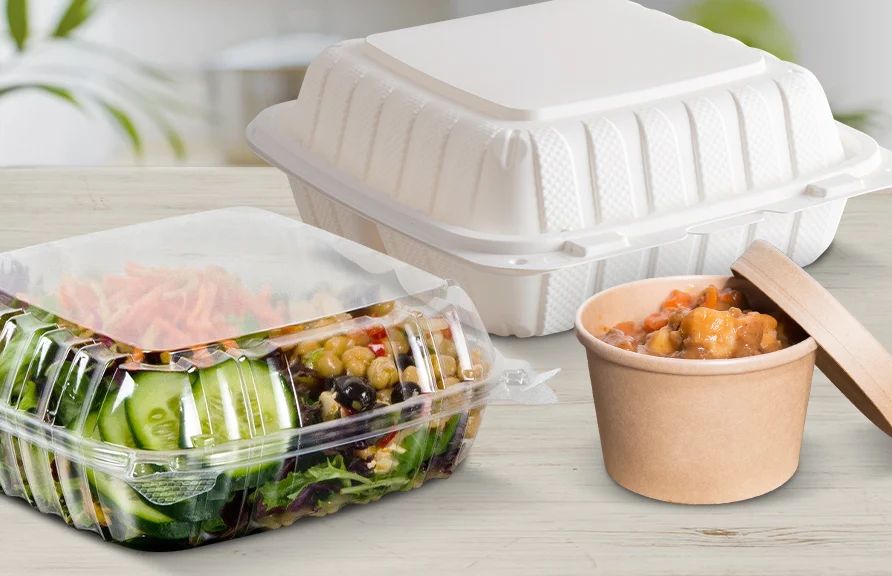
Ensuring that packaging is safe for direct contact with food is a top priority for manufacturers and brands. Regulatory bodies around the world have strict guidelines for materials that can be used, including requirements for migration limits and allergen controls. As a result, the industry is seeing a shift toward certified food-grade materials, such as specific plastics, coated papers, and natural fibers.
Food-safe packaging design trends also emphasize the importance of hygiene and contamination prevention. Features like tamper-evident closures, resealable lids, and antimicrobial coatings are becoming more common. These innovations help maintain product freshness and reassure consumers about the integrity of their food.
Sustainable Materials and Eco-Friendly Solutions
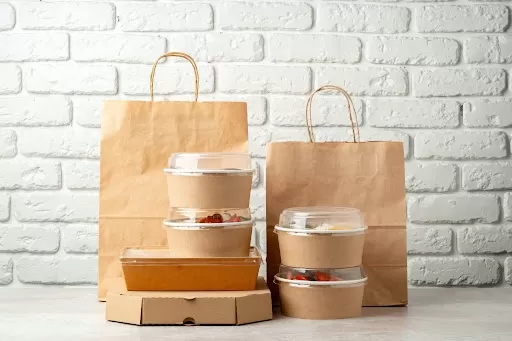
Sustainability is a major influence on contemporary packaging design. Brands are moving away from single-use plastics and opting for biodegradable, compostable, or recyclable alternatives. Materials like PLA (polylactic acid), bagasse, and recycled paperboard are gaining popularity for their minimal environmental footprint and compliance with food safety standards.
The push for greener options is not just about the materials themselves, but also about how they are sourced and processed. Many companies are seeking certifications such as FSC (Forest Stewardship Council) or using inks and adhesives that are safe for food contact. These choices reflect a broader commitment to both safety and environmental responsibility.
For those interested in customized approaches, custom food-safe packaging solutions can help brands align their packaging with both safety and sustainability goals.
Innovative Features in Food Packaging Design
Modern packaging is about more than just containment. New features are being integrated to enhance convenience, safety, and the overall user experience. Some of the most notable developments include:
- Resealable and easy-open mechanisms that help preserve freshness and reduce waste.
- Window cutouts or transparent sections that allow consumers to see the product before purchase, increasing trust and appeal.
- Active and intelligent packaging that can monitor freshness, indicate spoilage, or extend shelf life using embedded sensors or oxygen scavengers.
- Portion control packaging for on-the-go consumption, supporting changing lifestyles and health-conscious choices.
These features are not just about aesthetics—they directly impact food safety and usability. For example, tamper-evident seals provide visible assurance that a product has not been opened or contaminated.
Visual Branding and Regulatory Compliance
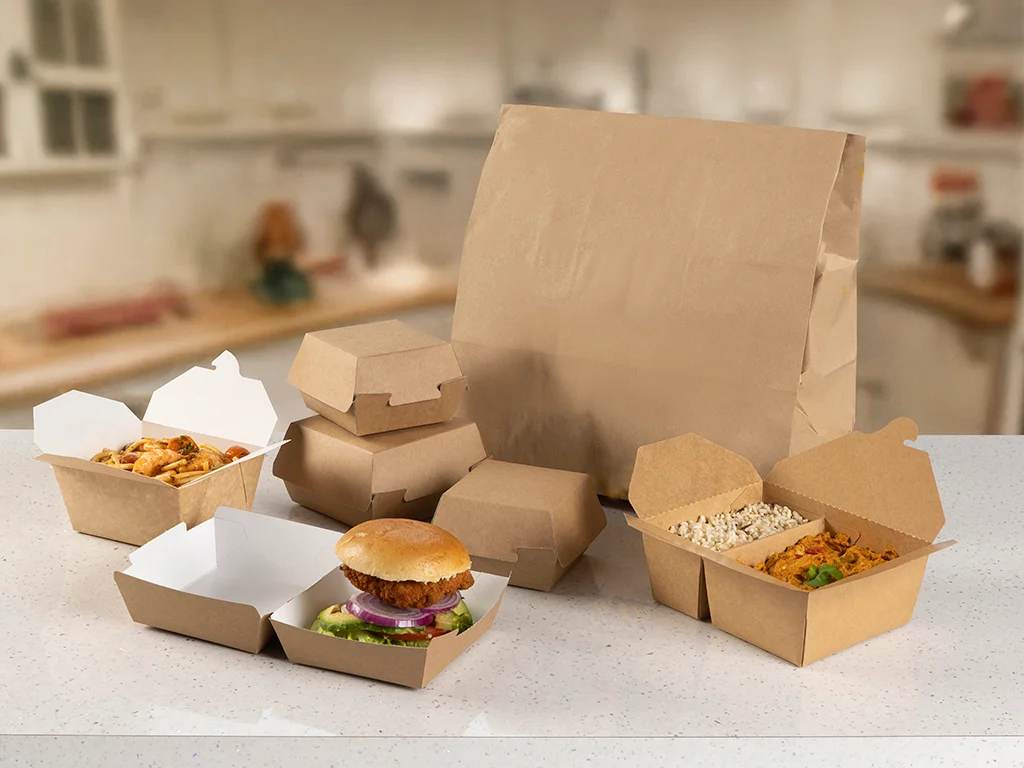
The look and feel of packaging play a crucial role in attracting customers and conveying brand values. Clean, minimalistic designs are trending, often paired with clear labeling to communicate ingredients, allergens, and certifications. This transparency builds trust and helps consumers make informed choices.
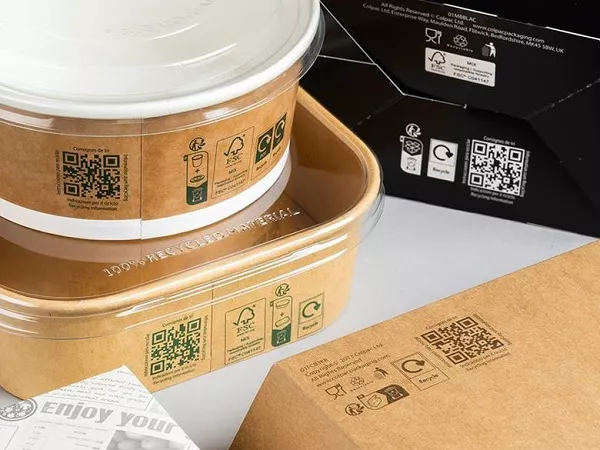
At the same time, compliance with food safety regulations remains non-negotiable. Labels must include all required information, and graphics should not obscure critical details. Many brands are also incorporating QR codes or digital elements to provide additional information about sourcing, nutrition, or recycling instructions.
For a deeper dive into the importance of hygiene and compliance, see this resource on food-safe packaging hygiene.
Digital Printing and Personalization in Safe Food Packaging
Advances in digital printing have opened new possibilities for food packaging. Short-run, high-quality printing allows brands to customize packaging for limited editions, seasonal promotions, or personalized experiences. This flexibility is especially valuable for smaller businesses or those launching new products.
Digital printing also supports the use of food-safe inks and coatings, ensuring that vibrant graphics do not compromise product safety. For more on this topic, visit digital printing for food-safe packaging.
Comparing Food-Safe and Non-Food-Safe Packaging
Understanding the distinction between packaging designed for food contact and other types is essential. Food-grade materials are rigorously tested for chemical migration, durability, and hygiene. In contrast, non-food-safe options may contain substances that could contaminate food or fail to protect against external hazards.
For businesses evaluating their packaging choices, reviewing the differences between food-safe packaging vs non-food-safe packaging can clarify the risks and benefits.
Expert Perspectives and Industry Resources
Staying informed about the latest developments in this area is vital for compliance and innovation. Industry experts recommend following updates from regulatory agencies, attending trade shows, and consulting with packaging specialists. Reliable resources like this comprehensive guide to food-grade packaging provide valuable background and practical advice.
Frequently Asked Questions
What materials are considered safe for food packaging?
Common food-safe materials include specific types of plastics (like PET and HDPE), coated papers, glass, and certain metals. Biodegradable options such as PLA and bagasse are also gaining acceptance, provided they meet regulatory standards for food contact.
How do I know if packaging is truly food-safe?
Look for certifications or statements of compliance from recognized authorities. Packaging should be labeled as food-grade and meet local and international regulations regarding chemical migration, hygiene, and allergen control.
Are sustainable packaging options as safe as traditional ones?
Yes, as long as they are certified for food contact. Sustainable materials must undergo the same rigorous testing as conventional options to ensure they do not compromise food safety or quality.
What role does digital printing play in food packaging safety?
Digital printing enables precise, high-quality graphics using food-safe inks and coatings. This technology allows for greater customization without sacrificing safety or compliance.
Keeping up with food-safe packaging design trends is essential for businesses that want to protect consumers, meet regulatory demands, and build a strong brand presence. By prioritizing safety, sustainability, and innovation, companies can create packaging that meets the needs of today’s market and anticipates future demands.