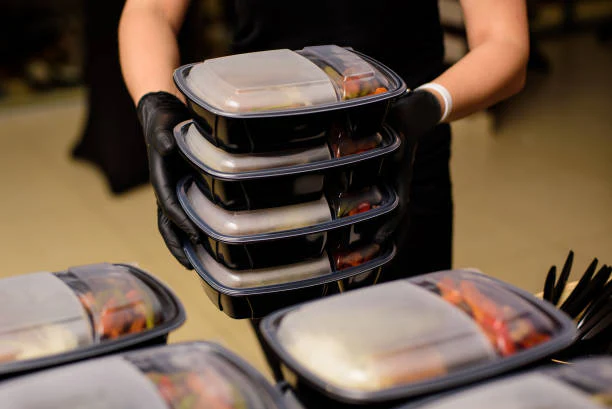
As the food industry continues to grow and diversify, the importance of food-safe packaging design has never been more critical. Packaging not only protects food products from contamination and spoilage but also plays a vital role in consumer trust, regulatory compliance, and brand reputation. Creating packaging that is both functional and safe requires a careful balance of materials, design principles, and adherence to evolving safety standards.
Whether you are a food manufacturer, packaging designer, or business owner, understanding the essentials of safe packaging can help you deliver quality products while minimizing risks. For a deeper dive into the basics, you may find this resource on what is food-safe packaging helpful as a foundation.
Why Safe Packaging Matters in the Food Industry
The primary goal of any food packaging is to maintain the integrity and safety of its contents from production to consumption. Poorly designed or inappropriate packaging can lead to contamination, spoilage, and even foodborne illnesses. In addition, packaging must comply with strict regulations to ensure that no harmful substances migrate into the food.
Beyond safety, packaging also impacts shelf life, transportation, and the overall consumer experience. A well-designed package can prevent leaks, preserve freshness, and provide clear information about the product inside. As consumer awareness grows, so does the demand for packaging that is not only safe but also sustainable and easy to use.
Key Principles of Food-Safe Packaging Design
Developing packaging that meets safety standards involves several core principles. By following these guidelines, businesses can reduce risks and deliver products that meet both regulatory and consumer expectations.
- Material Selection: Use only materials that are certified for direct food contact. This includes plastics, papers, and coatings that do not leach harmful chemicals or alter the taste and aroma of food.
- Barrier Properties: Choose materials with appropriate barrier properties to protect against moisture, oxygen, light, and contaminants. The right barrier can extend shelf life and maintain product quality.
- Migration Testing: Ensure all packaging components undergo migration testing to verify that no unsafe substances transfer from the packaging to the food under normal conditions of use.
- Clean Manufacturing: Maintain strict hygiene and quality control during the packaging production process to prevent contamination.
- Clear Labeling: Provide accurate and legible information about ingredients, allergens, storage instructions, and expiration dates to help consumers make informed choices.
Choosing the Right Materials for Safe Food Packaging
Selecting suitable materials is at the heart of effective food-safe packaging design. The choice depends on the type of food, shelf life requirements, and distribution conditions. Common materials include:
- Plastics: Widely used for their versatility and barrier properties. Only use food-grade plastics such as PET, HDPE, and PP, which are approved for direct contact with food.
- Papers and Boards: Often used for dry foods and bakery items. Ensure they are coated or treated to resist moisture and grease, and are free from harmful inks or adhesives.
- Metals: Cans and foils provide excellent protection for shelf-stable foods. They must be coated with food-safe linings to prevent metal migration.
- Glass: Inert and impermeable, glass is ideal for beverages and preserves but requires careful handling to prevent breakage.
For a comprehensive overview of packaging options, explore this guide on types of food-safe packaging for modern food businesses.
Design Considerations for Safe and Effective Packaging
Beyond material selection, the structural and visual aspects of packaging play a significant role in food safety. Here are some best practices to consider:
- Sealing and Closures: Ensure all seals are tamper-evident and airtight to prevent contamination and preserve freshness.
- Portion Control: Design packaging that supports single servings or resealability to minimize exposure and waste.
- Ergonomics: Make packaging easy to open and handle, especially for vulnerable populations such as children and the elderly.
- Traceability: Incorporate batch codes and QR codes for product tracking and recall management.
- Visual Communication: Use clear graphics and icons to convey safety instructions and allergen information.

Regulatory Compliance and Certifications
Food packaging is subject to a range of regulations depending on the region and product type. In the United States, the Food and Drug Administration (FDA) oversees packaging safety, while the European Union has its own set of standards. Key points to consider include:
- Documentation: Maintain records of all materials, suppliers, and testing certificates.
- Labeling Laws: Ensure all claims and nutritional information comply with local regulations.
- Certifications: Look for certifications such as ISO 22000 or BRCGS, which demonstrate adherence to global food safety standards.
- Ongoing Audits: Regularly review and update processes to stay compliant with changing laws and best practices.
For a detailed explanation of what qualifies as food-grade packaging and how to ensure compliance, see this comprehensive article on food-grade packaging.
Trends and Innovations in Food Packaging Safety
The field of food-safe packaging design is constantly evolving. Recent trends include the use of biodegradable materials, smart packaging with sensors, and antimicrobial coatings. These innovations aim to enhance safety, reduce environmental impact, and provide added value to consumers.
- Sustainable Materials: Plant-based plastics and compostable films are gaining popularity as brands seek eco-friendly alternatives.
- Active Packaging: Technologies that absorb oxygen or release preservatives to extend shelf life.
- Intelligent Packaging: Embedded sensors that monitor freshness, temperature, and tampering.
- Minimalist Design: Reducing unnecessary layers and inks to minimize contamination risks and improve recyclability.
Staying updated with these trends can help businesses stay competitive and meet consumer expectations for safety and sustainability.
Frequently Asked Questions
What materials are considered safe for food packaging?
Safe materials include food-grade plastics like PET and HDPE, coated papers, glass, and metals with approved linings. Always verify that materials are certified for direct food contact and have passed migration testing.
How can I ensure my packaging complies with food safety regulations?
Work with reputable suppliers, maintain thorough documentation, and regularly test materials for compliance. Stay informed about local and international regulations, and seek certifications such as ISO 22000 or BRCGS when possible.
What are the latest innovations in safe food packaging?
Recent innovations include biodegradable and compostable materials, smart packaging with freshness sensors, and antimicrobial coatings. These advancements help improve safety, extend shelf life, and address environmental concerns.
By following these best practices and staying informed about new developments, businesses can create packaging that protects consumers, meets regulatory standards, and supports brand integrity in a competitive market.