Creating memorable and effective branding for food-safe packaging is essential for businesses that want to stand out in a crowded marketplace. Whether you run a restaurant, a food delivery service, or a specialty food brand, your packaging is often the first physical touchpoint customers have with your product. Well-designed, compliant packaging not only protects food but also communicates your brand values, builds trust, and enhances the overall customer experience.
In this guide, we’ll explore practical approaches and creative strategies for branding food-safe packaging. You’ll learn how to balance safety, compliance, and visual appeal, as well as discover tips for making your packaging work harder for your business. For those interested in the latest visual trends, you may also want to review food-safe packaging design trends for additional inspiration.
Why Branding Matters for Food-Safe Packaging
Packaging is more than just a container for your food products. It’s a powerful branding tool that can influence purchasing decisions and customer loyalty. When consumers receive food in packaging that is both attractive and clearly marked as food-safe, it builds confidence in your brand’s professionalism and attention to detail.
Food-safe packaging branding ideas should always prioritize both compliance and creativity. Regulations require that packaging materials are safe for direct food contact, but within those boundaries, there’s plenty of room for innovation. A thoughtful approach to design can help your business:
- Enhance brand recognition through consistent colors, logos, and messaging
- Communicate important information such as ingredients, allergens, and certifications
- Reinforce your commitment to safety and quality
- Encourage repeat business by delivering a memorable unboxing experience
Key Elements of Effective Food Packaging Branding
To make the most of your packaging, consider these essential elements:
1. Clear Food-Safe Indicators
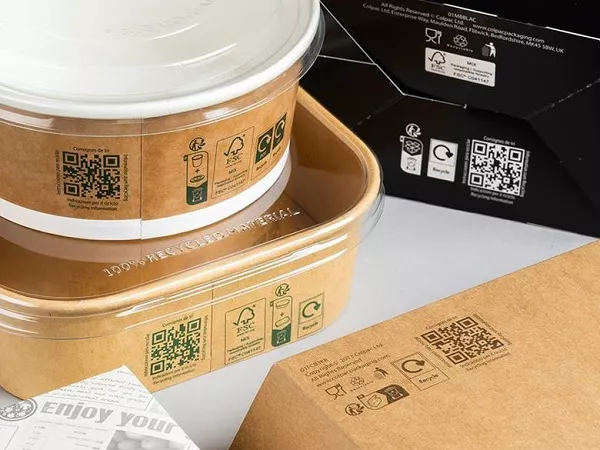
Always include visible indicators that your packaging is food-safe. This can be achieved through icons, certifications, or printed statements. Customers are increasingly aware of food safety, so clear labeling reassures them that your products meet industry standards.
For more information on how to verify the safety of packaging materials, see this guide to identifying food-safe packaging materials.
2. Consistent Brand Identity
Use your brand’s color palette, logo, and typography consistently across all packaging formats. This helps customers instantly recognize your products, whether they’re picking up a takeout order or receiving a delivery. Consistency also reinforces your brand’s professionalism and reliability.
3. Informative and Compliant Labeling
Beyond branding, your packaging must include required information such as ingredients, nutritional facts, allergen warnings, and expiration dates. Make sure this information is easy to find and read. Using clear, legible fonts and contrasting colors can help ensure compliance and customer safety.
4. Sustainable and Safe Materials
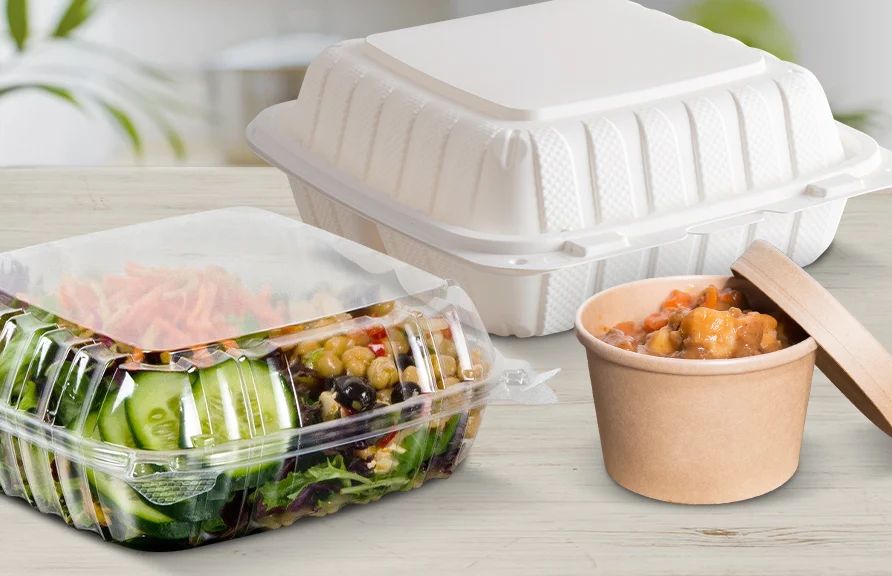
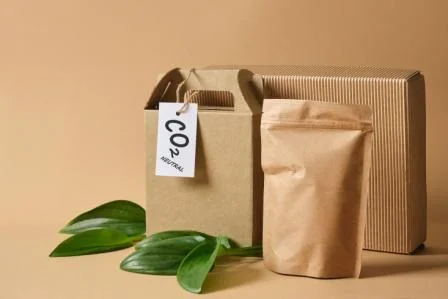
Many consumers now expect brands to use eco-friendly packaging. Choose materials that are both food-safe and sustainable, such as compostable paper, biodegradable plastics, or recyclable containers. Highlighting these choices on your packaging can strengthen your brand’s reputation for responsibility and care.
Creative Approaches to Food-Safe Packaging Branding
Standing out often requires a creative touch. Here are some innovative ideas to consider:
- Custom illustrations: Use hand-drawn elements or unique graphics that reflect your brand’s story or the origin of your ingredients.
- Interactive packaging: Incorporate QR codes that link to recipes, sourcing information, or loyalty programs.
- Seasonal or limited-edition designs: Refresh your packaging for holidays or special events to create excitement and encourage repeat purchases.
- Personalized messages: Add thank-you notes or fun facts to foster a connection with your customers.

Balancing Safety, Compliance, and Brand Appeal
While creativity is important, it must never come at the expense of food safety. Always ensure that inks, adhesives, and materials are certified for direct or indirect food contact. Work with suppliers who understand the requirements for food packaging, and keep up-to-date with local and international regulations.
For businesses looking to tailor their packaging to unique needs, exploring custom food-safe packaging solutions can provide both compliance and brand differentiation.
Trends in Food-Safe Packaging Branding
The world of food packaging is constantly evolving. Some current trends include:
- Minimalist designs: Clean layouts with simple graphics and ample white space are popular for conveying transparency and trust.
- Bold colors and patterns: Vibrant hues help brands stand out on shelves and in delivery bags.
- Eco-conscious messaging: Clearly communicating the sustainability of your packaging can attract environmentally aware consumers.
- Digital printing: Advances in digital printing for food-safe packaging allow for short runs, personalization, and rapid design changes.
Practical Tips for Small Businesses
Smaller brands often face budget constraints but can still achieve impactful packaging. Here are some practical tips:
- Start with a strong logo and color scheme that works across different packaging types.
- Use stickers or stamps for branding on plain food-safe containers to keep costs down.
- Partner with local artists or designers for unique, community-driven visuals.
- Focus on clear, honest messaging about your food safety practices—this builds trust.
- Learn more about optimizing packaging for smaller operations by reading about food-safe packaging for small businesses.
Maintaining Hygiene and Safety Standards
No matter how creative your branding, maintaining hygiene is non-negotiable. Ensure that all packaging is stored, handled, and printed in clean environments. Regularly audit your processes and educate your team on food safety best practices.
For more detailed guidance, see this resource on food-safe packaging hygiene.
Frequently Asked Questions
How can I tell if my packaging is food-safe?
Look for certifications or markings that indicate compliance with food safety standards. Always source materials from reputable suppliers and request documentation proving food-safe status. For more details, refer to this guide on food-safe packaging materials.
What are the most important branding elements for food packaging?
The most crucial elements include a consistent logo, clear food safety indicators, legible product information, and messaging that reflects your brand values. Using sustainable materials and highlighting them on your packaging can also enhance your brand image.
Can small businesses afford custom-branded food-safe packaging?
Yes, there are cost-effective ways for small businesses to create branded packaging, such as using custom stickers, stamps, or digital printing for short runs. Focusing on a few key branding elements can make a big impact without requiring a large investment.