


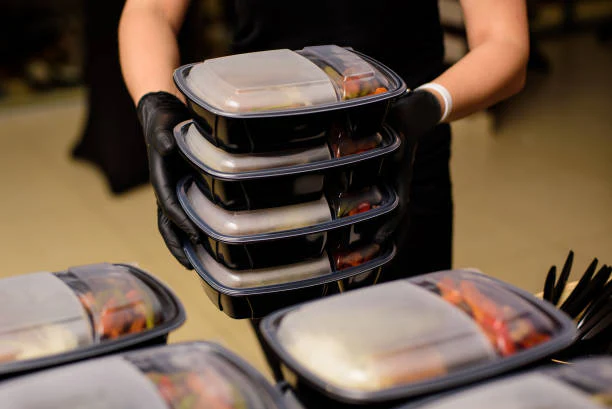
The importance of food-safe packaging boxes has grown significantly as consumers and businesses alike demand higher standards for food safety, hygiene, and sustainability. Whether you run a restaurant, a catering service, or a food manufacturing business, understanding the essentials of packaging that safely holds food is crucial for protecting your customers and your brand. These specialized containers are designed to prevent contamination, preserve freshness, and comply with regulations, making them a foundational element in the food industry.
If you’re looking to explore the different types of food-safe packaging available for modern food businesses, it’s important to know what sets compliant packaging apart from ordinary boxes. This article will break down the key features, materials, and standards that define safe packaging for food, helping you make informed decisions for your operations.
What Makes a Packaging Box Food-Safe?
Not all containers are suitable for direct contact with food. Food-safe packaging boxes are specifically engineered to meet strict health and safety standards. These boxes are manufactured using materials that do not leach harmful chemicals, flavors, or odors into the food. They also act as a barrier against moisture, air, and contaminants, ensuring the food remains fresh and safe to consume.
The criteria for food safety in packaging include:
- Use of non-toxic, food-grade materials
- Compliance with regulatory standards (such as FDA, EU, or local authorities)
- Resistance to grease, moisture, and temperature changes
- Durability to prevent breakage or leakage during transport
For a deeper dive into the definition, uses, and importance of compliant packaging, you may want to review this comprehensive guide on what is food-safe packaging.
Common Materials Used in Food-Safe Packaging Boxes
The choice of material plays a central role in determining whether a box is suitable for food contact. Here are some of the most widely used materials:
- Paperboard and Cardboard: Often coated with a food-grade layer to prevent absorption of oils and moisture. These are popular for bakery boxes, pizza boxes, and takeout containers.
- Plastic: Includes PET, PP, and HDPE, which are safe for food contact when manufactured to proper specifications. Plastics are commonly used for deli containers, salad boxes, and microwaveable trays.
- Biodegradable and Compostable Materials: Made from plant fibers, PLA, or bagasse, these options are gaining popularity for their environmental benefits while maintaining food safety standards.
- Aluminum: Used for trays and foil wraps, aluminum is non-reactive and provides an excellent barrier to light, moisture, and air.

Key Standards and Certifications for Safe Food Packaging
To ensure that packaging is truly safe for food, manufacturers must adhere to recognized standards and certifications. Some of the most important include:
- FDA (U.S. Food and Drug Administration): Sets requirements for materials and manufacturing processes for packaging that comes into contact with food in the United States.
- EU Regulations (EC No. 1935/2004): Governs food contact materials in the European Union, ensuring they do not transfer harmful substances to food.
- ISO 22000: A global standard for food safety management systems, including packaging processes.
- Third-Party Certifications: Such as BRCGS Packaging Materials and NSF, which provide additional assurance of compliance and quality.
Packaging suppliers should be able to provide documentation and certification to verify that their products meet these requirements. This is especially important for businesses that export food or operate in regions with strict safety laws.
Benefits of Using Food-Safe Packaging Boxes
Choosing the right packaging for food products offers several advantages beyond basic compliance:
- Consumer Safety: Reduces the risk of foodborne illnesses and contamination.
- Product Freshness: Maintains taste, aroma, and texture by protecting against environmental factors.
- Brand Reputation: Demonstrates a commitment to quality and safety, which builds trust with customers.
- Regulatory Compliance: Avoids costly recalls, legal issues, and business disruptions.
- Sustainability: Many modern options are recyclable or compostable, supporting eco-friendly business practices.

How to Identify Safe Packaging for Food Products
When selecting packaging for your food business, look for clear labeling and documentation. Most compliant boxes will be marked as “food-grade” or display relevant certification logos. It’s also wise to request a declaration of compliance or safety data sheet from your supplier.
Additional tips for identifying safe options:
- Check for certifications like FDA, EU, or ISO on the packaging or supplier’s website.
- Ask about the materials used and any coatings or additives.
- Ensure the packaging is suitable for the intended use (e.g., freezer-safe, microwave-safe, or oven-safe).
- Look for tamper-evident features if required for your product type.
For more information on the technical aspects and industry requirements, this detailed explanation of food-grade packaging provides a helpful overview.
Trends in Sustainable and Eco-Friendly Food Packaging
As environmental concerns grow, the demand for sustainable food-safe packaging boxes is on the rise. Businesses are increasingly turning to biodegradable, compostable, and recyclable materials to reduce their environmental footprint without compromising food safety.
Some popular trends include:
- Plant-Based Plastics: Made from renewable resources such as corn starch or sugarcane.
- Compostable Paperboard: Breaks down naturally after use, reducing landfill waste.
- Minimalist Packaging: Reduces material usage and focuses on essential protective features.
- Reusable Containers: Encourages customers to return or reuse packaging, especially in foodservice settings.
Adopting eco-friendly packaging not only benefits the planet but can also appeal to environmentally conscious consumers, giving your brand a competitive edge.
Frequently Asked Questions
What are the main differences between food-safe and regular packaging boxes?
Food-safe boxes are made from materials that have been tested and certified for direct contact with food. They are free from harmful chemicals and designed to prevent contamination, while regular boxes may not meet these standards and could pose health risks if used for food.
Can food-safe packaging boxes be recycled or composted?
Many safe packaging options are recyclable or compostable, especially those made from paperboard, cardboard, or plant-based materials. However, it’s important to check the specific material and local recycling guidelines, as coatings or additives may affect recyclability.
How do I ensure my packaging meets legal requirements?
Work with reputable suppliers who provide documentation and certifications for their products. Look for compliance with standards such as FDA, EU, or ISO, and always verify that the packaging is suitable for your intended food application.

