As the demand for convenience and sustainability grows, understanding food-safe packaging and recycling has become essential for businesses and consumers alike. The materials that protect our food must not only ensure safety and freshness but also minimize environmental impact. With increasing regulations and consumer awareness, the food industry is under pressure to adopt packaging solutions that are both safe for food contact and environmentally responsible.
This article explores the essentials of food-grade packaging, how to identify recyclable options, and the challenges and innovations shaping the future of sustainable food packaging. Whether you are a manufacturer, retailer, or consumer, knowing how to choose and dispose of packaging responsibly can make a significant difference.
For those interested in advanced solutions such as antimicrobial food-safe packaging, there are innovative approaches that further enhance food safety while supporting sustainability goals.
What Makes Packaging Food-Safe?
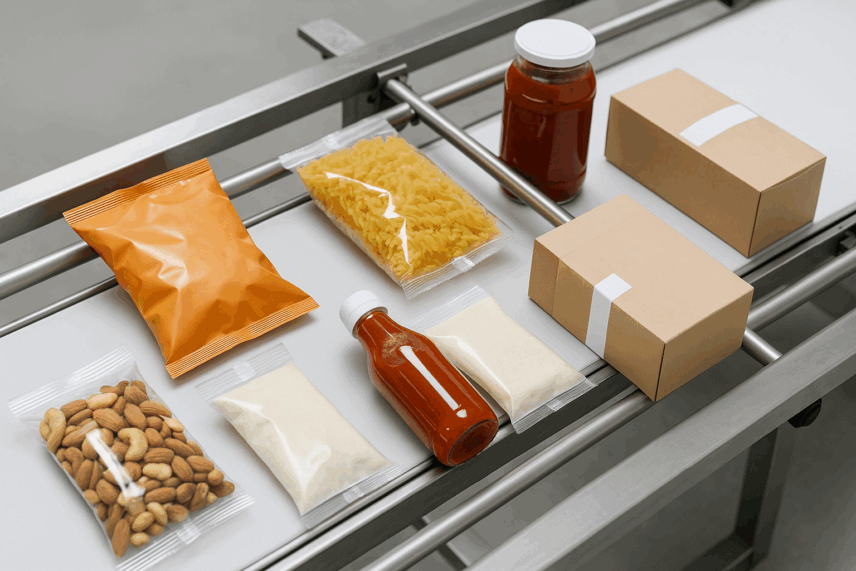
Not all packaging materials are suitable for direct contact with food. Food-safe packaging refers to containers, wraps, and other materials that do not transfer harmful chemicals, odors, or flavors to food. These materials must comply with strict regulations set by agencies such as the FDA in the United States and EFSA in Europe.
- Material Purity: Only certain plastics, papers, glass, and metals are approved for food contact. They must be free from contaminants and additives that could leach into food.
- Barrier Properties: Effective packaging prevents moisture, oxygen, and light from degrading food quality.
- Durability: Packaging must withstand handling, temperature changes, and storage without breaking down or contaminating food.
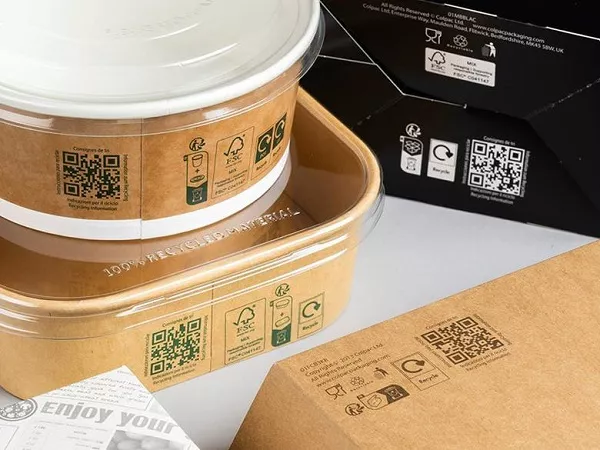
- Labeling: Look for certifications such as the glass-and-fork symbol, FDA approval, or FSC for paper products.

Ensuring that packaging is food-safe is not just about compliance; it’s about protecting public health and maintaining the integrity of the food supply chain.
Understanding Recycling Symbols and Practices
Many consumers are confused by the variety of recycling symbols found on food packaging. Recognizing these symbols and knowing what they mean is crucial for proper disposal and recycling.
- Mobius Loop: Indicates that the packaging is recyclable, but not necessarily accepted by all local recycling programs.
- Resin Identification Codes: Numbers inside the recycling triangle (1–7) specify the type of plastic. PET (#1) and HDPE (#2) are widely recycled, while others may not be accepted everywhere.
- Compostable and Biodegradable: These terms are not interchangeable. Compostable packaging breaks down under specific conditions, while biodegradable may take much longer and not always in landfill environments.
- FSC Certification: For paper-based packaging, the Forest Stewardship Council (FSC) mark ensures the material comes from responsibly managed forests.
For a deeper dive into the science and safety of packaging materials, the scientific review of food packaging and environmental safety provides valuable insights.
Challenges in Food-Safe Packaging and Recycling
While the push for sustainable packaging is strong, several challenges remain. One major issue is the compatibility of food safety and recyclability. Many food-safe coatings, laminates, and multi-layer materials are difficult to recycle because they combine different substances that cannot be easily separated.
- Contamination: Food residue can make packaging unrecyclable, especially for paper and cardboard.
- Composite Materials: Packaging that combines plastic, paper, and foil is often not recyclable in standard facilities.
- Limited Infrastructure: Not all communities have access to composting or advanced recycling for newer materials.
- Consumer Confusion: Misunderstanding recycling symbols or local rules leads to wishcycling, where non-recyclable items are placed in recycling bins.
Addressing these challenges requires collaboration between manufacturers, regulators, and consumers. Clear labeling, improved collection systems, and ongoing education are all part of the solution.
Innovations in Sustainable Food Packaging
The industry is rapidly evolving to meet the dual demands of food safety and environmental responsibility. Some of the most promising developments include:
- Bioplastics: Made from renewable resources like corn starch or sugarcane, these plastics can be compostable or biodegradable, though their end-of-life management varies.
- Edible Packaging: Some companies are developing films and coatings that can be safely consumed along with the food.
- Mono-Material Solutions: Using a single type of material makes recycling easier and more efficient.
- Active and Intelligent Packaging: Technologies that extend shelf life or indicate spoilage are being integrated into packaging, as seen in active packaging for food safety solutions.

These innovations not only reduce waste but also improve the safety and convenience of packaged foods.
Best Practices for Businesses and Consumers
Both businesses and individuals play a role in making food packaging safer and more sustainable. Here are some practical steps to consider:
- Choose Certified Materials: Select packaging with recognized food safety and sustainability certifications.
- Educate Staff and Customers: Provide clear instructions on how to dispose of packaging, especially for items that are compostable or require special handling.
- Reduce Packaging Waste: Minimize unnecessary packaging and switch to recyclable or reusable options where possible. For more strategies, see reducing food packaging waste.
- Stay Informed: Regulations and recycling capabilities change over time. Keep up to date with local guidelines and industry developments.
By making informed choices, businesses can reduce their environmental footprint, and consumers can support brands that prioritize both safety and sustainability.
Frequently Asked Questions
How can I tell if packaging is safe for food contact?
Look for symbols such as the glass-and-fork, FDA or EFSA approval, or specific statements like “food safe.” Certifications like FSC for paper and resin codes for plastics also help identify suitable materials.
Are all food-safe packages recyclable?
Not necessarily. Some food-safe materials, especially those with multiple layers or special coatings, may not be recyclable in standard facilities. Always check local recycling guidelines and look for clear labeling.
What should I do with compostable packaging?
Compostable packaging should be disposed of in a commercial composting facility if available. Home composting may not break down certain certified compostable materials effectively. Avoid placing compostable packaging in regular recycling bins, as it can contaminate recycling streams.
How does food-safe packaging for refrigerators differ from regular packaging?
Packaging designed for refrigeration must withstand cold temperatures, prevent moisture buildup, and maintain food safety over extended storage. Learn more about these specialized materials in food-safe packaging for refrigerators.
Where can I find reliable food-safe packaging distributors?
For sourcing, it’s best to work with reputable suppliers who provide certifications and transparent sourcing. For more information, visit food-safe packaging distributors.