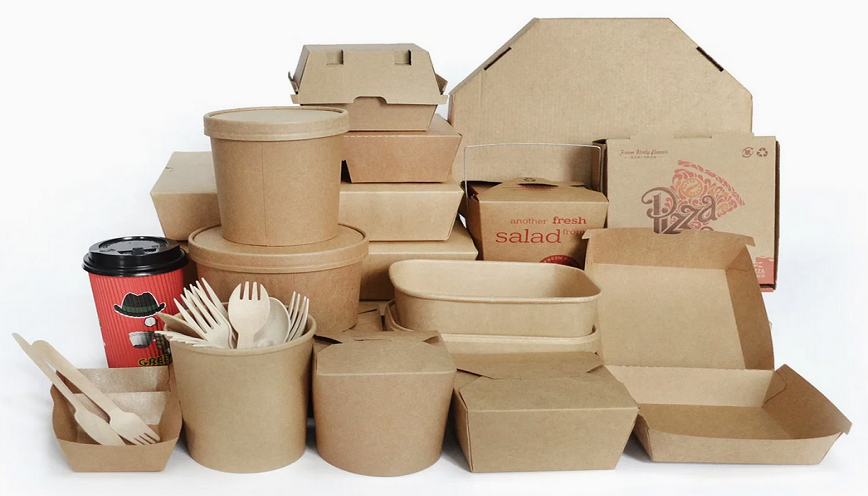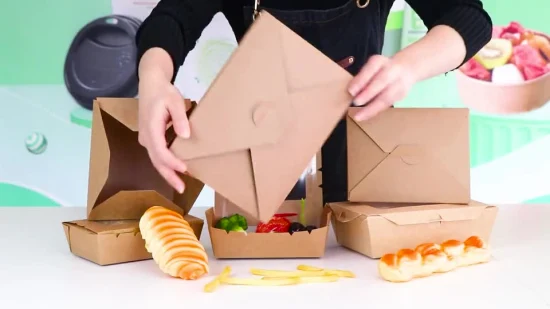
The packaging industry has seen rapid innovation, especially with the rise of digital printing for food-safe packaging. As brands seek to stand out on crowded shelves and comply with strict safety regulations, digital methods offer a flexible, efficient solution. But what exactly does it mean for packaging to be both digitally printed and food-safe? Understanding the intersection of print technology and food safety is essential for manufacturers, designers, and businesses looking to deliver safe, attractive products to consumers.
In this article, we’ll break down how digital techniques are transforming food packaging, the safety standards involved, and what businesses need to consider when choosing this approach. For a deeper dive into tailored options, you can also explore custom food-safe packaging solutions that address unique branding and compliance needs.
Understanding Food-Safe Digital Printing
Food-safe packaging refers to materials and processes that prevent contamination and ensure the safety of food products. When it comes to digital printing, this means using inks, substrates, and finishing processes that meet strict regulatory standards. Unlike traditional printing, digital methods allow for shorter runs, faster turnaround, and easy customization—making them ideal for seasonal promotions, limited editions, or personalized packaging.
The core principle is that any printed surface that may come into direct or indirect contact with food must not transfer harmful substances. This requires careful selection of certified inks and substrates, as well as rigorous testing and documentation.
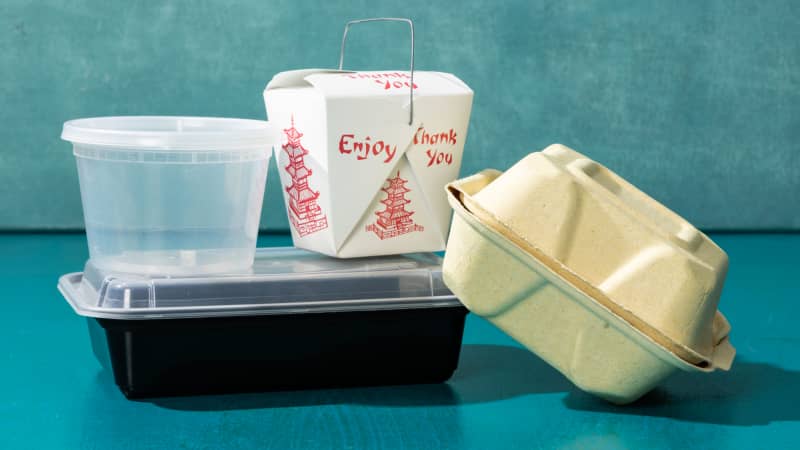
Key Benefits of Digital Printing in Food Packaging
The adoption of digital printing in food packaging brings several advantages:
- Customization: Brands can easily create unique designs, limited editions, or personalized messages without the cost of traditional plates or screens.
- Speed: Digital processes allow for rapid prototyping and quick changes, ideal for fast-moving consumer goods.
- Reduced Waste: Shorter print runs mean less overproduction and lower inventory costs.
- High-Quality Graphics: Digital presses deliver sharp images and vibrant colors, enhancing shelf appeal.
- Compliance: With the right materials, digital printing can meet food safety standards, ensuring consumer protection.
These benefits make digital methods a smart choice for businesses seeking both flexibility and compliance in their packaging strategies.
Materials and Inks for Food-Safe Digital Packaging
Not all inks and substrates are suitable for packaging that comes into contact with food. The selection process is critical to ensure safety and regulatory compliance. Here’s what to consider:
- Food-Grade Inks: Only inks specifically formulated and certified for food contact should be used. These inks are designed to prevent migration of harmful chemicals.
- Substrates: Materials such as paper, cardboard, and certain plastics must be approved for food use. The substrate should act as a barrier to prevent ink migration.
- Protective Coatings: Sometimes, a food-safe varnish or laminate is applied to further isolate the printed surface from the food.
For more details on how hygiene is maintained throughout the packaging process, see our guide on food-safe packaging hygiene.

Regulatory Standards and Compliance
Ensuring that digitally printed packaging is food-safe involves adhering to national and international regulations. In the United States, the FDA provides detailed guidelines on food ingredients and packaging. These rules cover everything from permissible ink components to migration testing and documentation.
In Europe, standards such as EU Regulation No. 1935/2004 and Good Manufacturing Practice (GMP) guidelines are enforced. Manufacturers must keep thorough records and conduct regular testing to demonstrate compliance.
It’s important to work with suppliers who can provide certificates of compliance for all materials and processes used in your packaging. This not only protects consumers but also shields your business from legal risks.
Challenges and Considerations in Digital Food Packaging
While digital printing offers many advantages, there are also challenges to address:
- Ink Migration: Even food-grade inks can migrate if not properly cured or if the substrate is inadequate. Testing is essential.
- Cost: For very large runs, digital methods may be less cost-effective than traditional printing.
- Durability: Some digital prints may be less resistant to abrasion or moisture unless additional coatings are applied.
- Regulatory Complexity: Navigating the patchwork of global regulations can be daunting, especially for exporters.
To better understand the risks involved, review our article on food-safe packaging risks.
Comparing Digital and Traditional Printing for Food Packaging
When selecting a printing method, it’s helpful to compare digital and conventional approaches:
| Aspect | Digital Printing | Traditional Printing |
|---|---|---|
| Setup Costs | Low | High (plates/screens required) |
| Customization | Easy and cost-effective | Limited, costly for short runs |
| Turnaround Time | Fast | Slower (longer setup) |
| Food-Safe Options | Available with certified inks/substrates | Available, but may require additional steps |
| Best For | Short runs, personalization, rapid changes | Large volumes, standardized designs |
For a detailed look at the benefits of safe packaging, see our overview of food-safe packaging benefits.
Best Practices for Safe and Effective Digital Packaging
To maximize the advantages of digital printing in food packaging while ensuring safety, consider these best practices:
- Source Certified Materials: Always use inks and substrates with documented food safety certifications.
- Maintain Clean Production Environments: Follow strict hygiene protocols to prevent contamination during printing and finishing.
- Test Regularly: Conduct migration and compliance testing, especially when changing suppliers or materials.
- Stay Informed: Keep up to date with evolving regulations and industry standards.
- Document Everything: Maintain thorough records of materials, processes, and test results.
Frequently Asked Questions
What makes digital printing suitable for food packaging?
Digital printing is suitable for food packaging when it uses certified food-grade inks and approved substrates. This ensures that no harmful substances migrate into the food, meeting regulatory requirements and protecting consumers.
Are digitally printed food packages as safe as traditionally printed ones?
Yes, when proper materials and processes are used, digitally printed packaging can be just as safe as traditional methods. The key is to use certified inks, substrates, and follow strict hygiene and testing protocols.
How can brands ensure compliance with food safety regulations?
Brands should work with reputable suppliers, use certified materials, conduct regular testing, and maintain detailed documentation. Staying informed about regulations, such as those from the FDA, is also essential.
Is digital printing cost-effective for all types of food packaging?
Digital printing is most cost-effective for short runs, customized designs, and rapid prototyping. For very large volumes, traditional printing may offer lower per-unit costs, but digital excels in flexibility and speed.
Conclusion
The shift toward digital printing for food-safe packaging is transforming how brands approach both safety and design. By understanding the materials, processes, and regulations involved, businesses can leverage digital technology to create packaging that is not only visually appealing but also safe for consumers. As the industry continues to evolve, staying informed and prioritizing compliance will remain key to success.
For more insights on packaging safety and innovation, explore related topics such as food-safe packaging vs non-food-safe packaging.