The food industry relies heavily on packaging that not only preserves freshness but also ensures safety for consumers. As businesses look for ways to differentiate their products and meet regulatory standards, custom food-safe packaging solutions have become increasingly important. These tailored options help brands stand out while protecting the integrity of their food items from production to consumption.
Understanding the essentials of food-grade packaging is crucial for anyone involved in food manufacturing, distribution, or retail. This article explores the fundamentals of safe packaging, the customization process, and how these solutions can benefit your business. For a deeper dive into the hygiene aspects, you may find the insights on food-safe packaging hygiene particularly useful.
Understanding the Importance of Food-Safe Packaging
Packaging plays a vital role in maintaining the safety and quality of food products. Materials that come into direct contact with food must meet strict standards to prevent contamination and ensure consumer health. Custom food-safe packaging solutions are designed to address these requirements, offering tailored protection against moisture, oxygen, light, and physical damage.
Regulatory bodies such as the FDA and EFSA set guidelines for food-contact materials, specifying which substances are permitted and under what conditions. Compliance with these regulations is non-negotiable for any business aiming to avoid recalls, legal issues, or reputational damage. Customizing your packaging allows you to select materials and designs that align with both safety standards and your product’s unique needs.
Key Features of Custom Food-Grade Packaging
When developing packaging for food items, several features must be considered to ensure both safety and functionality. Here are some of the most important aspects:
- Material Selection: Choose from certified food-grade plastics, papers, foils, or biodegradable options that do not leach harmful chemicals into food.
- Barrier Properties: Effective packaging blocks out contaminants, moisture, and oxygen, extending shelf life and preserving flavor.
- Sealing and Closure: Secure seals prevent tampering and leakage, which is critical for both safety and consumer confidence.
- Print and Branding: Customization allows for branded designs, nutritional information, and regulatory labeling, all printed with food-safe inks.
- Sustainability: Many brands now opt for eco-friendly materials that are compostable or recyclable, meeting consumer demand for greener choices.

How Customization Enhances Food Packaging Safety
Tailoring packaging to your specific product offers several advantages over generic options. With custom food-safe packaging solutions, you can address the unique challenges posed by different foods—whether it’s moisture-sensitive baked goods, perishable dairy, or ready-to-eat snacks.
Customization allows for:
- Precise Fit: Packaging can be designed to fit the product exactly, minimizing empty space and reducing movement that could cause breakage or spoilage.
- Specialized Barriers: Some foods require extra protection from light or oxygen. Custom solutions can incorporate specific barrier layers to meet these needs.
- Enhanced Branding: Unique shapes, colors, and finishes help your product stand out on the shelf and communicate quality to consumers.
- Improved User Experience: Easy-open features, resealable closures, and portion control options can be integrated for convenience and freshness.
For more on the advantages of tailored packaging, see the detailed overview of food-safe packaging benefits.
Types of Custom Food-Safe Packaging Solutions
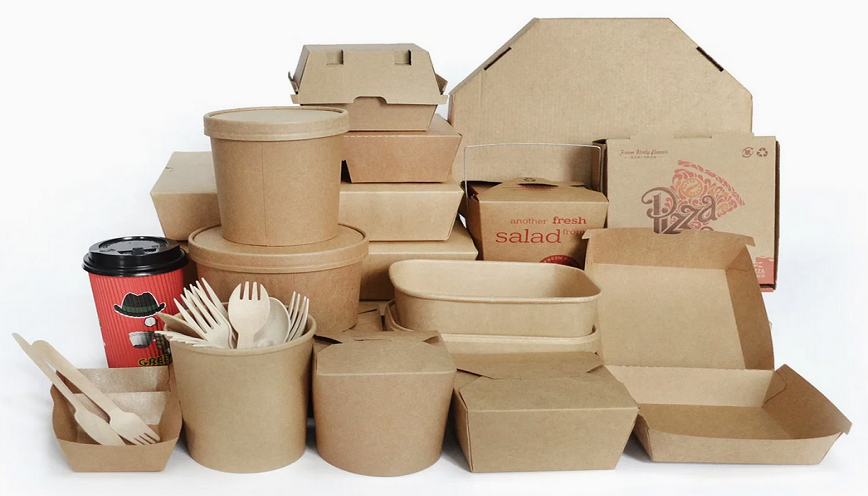
The market offers a wide array of packaging formats that can be customized for food safety and branding. Some of the most common types include:
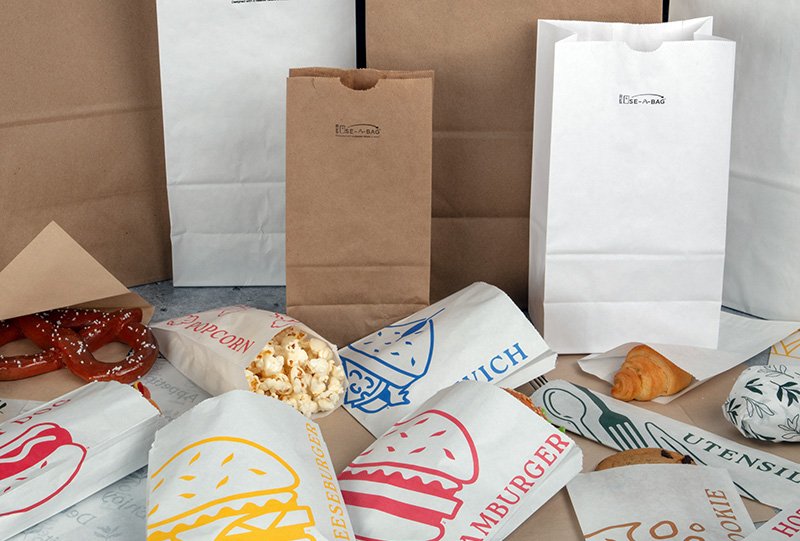
- Pouches and Bags: Flexible, lightweight, and suitable for snacks, coffee, spices, and frozen foods.
- Rigid Containers: Ideal for dairy, sauces, and ready meals, these provide robust protection and stackability.
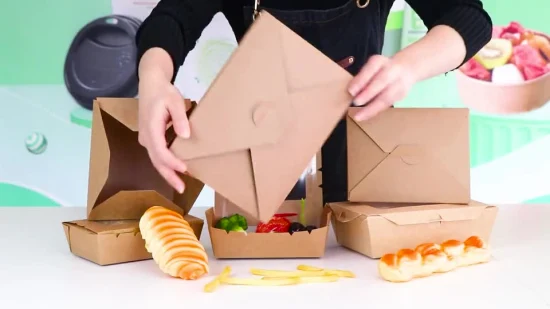
- Trays and Clamshells: Often used for fresh produce, baked goods, and deli items, offering visibility and protection.
- Wrappers and Films: Used for confectionery, baked goods, and single-serve items, these can be printed with custom graphics and information.
- Eco-Friendly Alternatives: Compostable and biodegradable materials are increasingly popular for brands focused on sustainability.
Regulatory Compliance and Risk Management
Ensuring your packaging meets food safety regulations is not just about compliance—it’s about protecting your customers and your brand. Non-compliant packaging can lead to contamination, recalls, and legal consequences. Staying informed about the latest standards and working with reputable suppliers is essential.
For a comprehensive look at potential hazards, refer to this resource on food-safe packaging risks. Additionally, understanding the differences between safe and unsafe materials is covered in the article on food-safe packaging vs non-food-safe packaging.
Risk management also involves regular testing, documentation, and traceability. Many businesses implement quality control systems to monitor packaging performance and ensure ongoing compliance.
Best Practices for Implementing Custom Food Packaging
To get the most from your investment in tailored packaging, consider these best practices:
- Partner with Experienced Suppliers: Work with companies that specialize in food-grade materials and understand regulatory requirements.
- Prioritize Hygiene: Ensure manufacturing and packing environments meet high standards for cleanliness. For more on this, review the guide to food-safe packaging contamination prevention.
- Stay Informed: Keep up with changes in food safety laws and packaging technology to maintain compliance and competitiveness.
- Test and Validate: Conduct shelf-life and migration tests to verify that your packaging performs as intended.
- Consider Sustainability: Evaluate the environmental impact of your packaging and explore eco-friendly options where possible.
For a broader perspective on available options and industry trends, the complete guide to food-safe packaging solutions provides valuable insights.
Frequently Asked Questions
What materials are considered food-safe for packaging?
Food-safe packaging materials include certain plastics (like PET, HDPE, and PP), glass, aluminum, and specific grades of paper and cardboard. These materials are tested to ensure they do not transfer harmful substances to food and comply with regulatory standards.
How can I verify that my packaging is compliant with food safety regulations?
Work with suppliers who provide documentation and certifications for their materials. Regularly review regulations from authorities like the FDA or EFSA, and conduct independent testing if necessary to confirm compliance.
Are there sustainable options for custom food packaging?
Yes, many companies offer compostable, biodegradable, or recyclable packaging that meets food safety requirements. These options help reduce environmental impact while maintaining product integrity.