As environmental concerns continue to shape consumer choices and business practices, understanding composting food packaging has become increasingly important. Many people want to reduce waste, but confusion remains about which packaging materials are truly compostable, how to identify them, and what happens to these materials after use. This article provides a practical overview of the topic, helping you make informed decisions about sustainable packaging and disposal.
The shift toward eco-friendly solutions is evident in the food industry, where both manufacturers and consumers are seeking alternatives to traditional plastics. However, not all packaging labeled as “compostable” is created equal, and the composting process itself can vary depending on the material and local facilities. By learning how to distinguish between different types of packaging and understanding the basics of composting, you can play a role in minimizing landfill waste and supporting a healthier planet.
For a deeper look at how food-safe packaging is managed from production to disposal, see the food-safe packaging lifecycle guide.
What Makes Food Packaging Compostable?
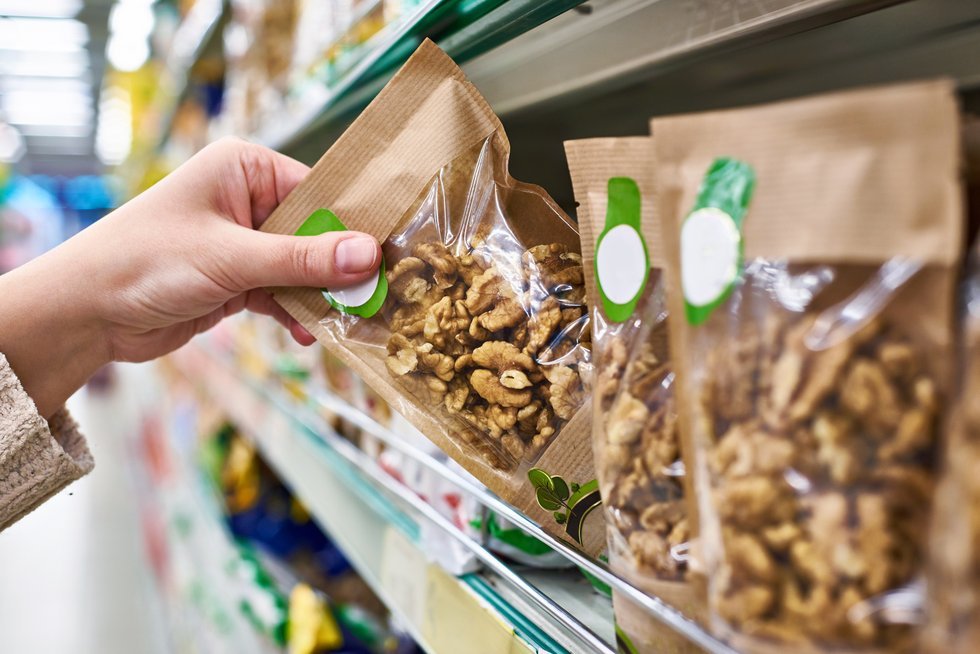
Not all packaging that looks eco-friendly will break down in a compost pile. To be considered compostable, packaging must be made from materials that decompose into natural elements without leaving harmful residues. Common compostable materials include paper, cardboard, and certain bioplastics derived from plants such as corn or sugarcane.
These materials are designed to break down under the right conditions, typically in an industrial composting facility. Some packaging may also be suitable for home composting, but this is less common. It’s important to check for certifications or labels that indicate compostability, such as the ASTM D6400 or EN 13432 standards.
Types of Compostable Food Packaging
There are several categories of packaging that can be composted, each with its own characteristics and benefits. Understanding these types can help you choose products that align with your sustainability goals.
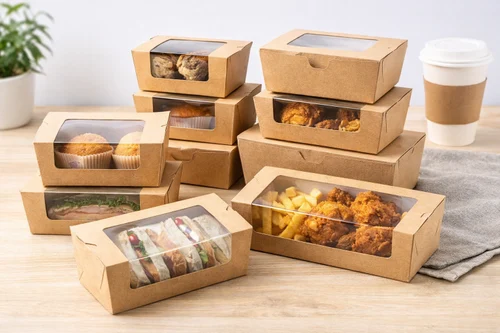
- Paper and Cardboard: These are among the most common compostable materials, especially when uncoated or lined with compostable films. They break down quickly and add valuable carbon to compost.
- Plant-Based Plastics (Bioplastics): Made from renewable resources, these materials can mimic the properties of conventional plastics but are designed to degrade in composting environments. Look for certifications to ensure they meet compostability standards.
- Bagasse and Other Plant Fibers: Packaging made from sugarcane fiber (bagasse), bamboo, or wheat straw is sturdy and composts efficiently, making it a popular choice for takeout containers and plates.
It’s important to note that some packaging may appear compostable but contain plastic linings or additives that hinder decomposition. Always check for clear labeling and certifications.
How the Composting Process Works for Packaging
The process of composting packaging materials involves breaking them down into organic matter through the action of microorganisms, heat, and moisture. Industrial composting facilities provide the optimal conditions for rapid decomposition, including high temperatures and controlled aeration.
Home composting is less predictable, as backyard piles may not reach the temperatures needed to fully break down certain bioplastics or thicker materials. For best results, follow local guidelines and only compost packaging that is labeled as suitable for home composting.
Industrial vs. Home Composting
- Industrial Composting: Handles a wider range of materials, including certified bioplastics and coated papers. The process is faster and more thorough due to higher temperatures and active management.
- Home Composting: Best for simple paper, cardboard, and plant fiber packaging. Bioplastics and heavily coated items may not break down completely in a home setting.
Benefits of Composting Food Packaging
Choosing compostable packaging and ensuring it is properly processed offers several environmental and practical advantages:
- Reduces Landfill Waste: Compostable materials decompose into soil, diverting waste from landfills and reducing methane emissions.
- Supports Soil Health: Finished compost enriches soil, improves water retention, and supports plant growth.
- Encourages Sustainable Practices: Using compostable packaging signals a commitment to sustainability and can influence broader industry trends.

Challenges and Limitations
While compostable packaging offers clear benefits, there are also challenges to consider. One major issue is the lack of access to industrial composting facilities in many regions. If compostable packaging ends up in a landfill, it may not break down as intended.
Another challenge is consumer confusion. Many people struggle to distinguish between compostable, biodegradable, and recyclable packaging. Mislabeled or improperly disposed of items can contaminate compost streams or recycling systems.
For more information on how food packaging is recycled and the differences between composting and recycling, see our guide on food-safe packaging and recycling.
How to Identify Compostable Packaging
To ensure that packaging is suitable for composting, look for recognized certifications and clear labeling. Common indicators include:
- Compostable Logos: Symbols from organizations like the Biodegradable Products Institute (BPI) or European Bioplastics.
- Certification Numbers: Standards such as ASTM D6400 (US) or EN 13432 (EU) indicate compliance with compostability requirements.
- Instructions: Packaging may specify whether it is suitable for home or only industrial composting.
If in doubt, consult local waste management guidelines or ask your packaging supplier for documentation.
Composting and Food Safety
Food safety is a critical consideration when choosing packaging materials. Compostable options must meet the same safety standards as conventional packaging to prevent contamination. The FDA’s guidelines on food ingredients and packaging provide detailed information on approved materials and safety requirements.
Innovations in packaging design, such as color changing food-safe packaging, are helping to improve both safety and sustainability in the food industry.
Frequently Asked Questions
Can all compostable packaging be composted at home?
No, not all compostable packaging is suitable for home composting. Many items require the high temperatures and controlled conditions of industrial composting facilities. Always check the packaging for home compostable certification before adding it to your backyard pile.
What is the difference between compostable and biodegradable packaging?
Compostable packaging is designed to break down into non-toxic, natural components within a specific timeframe and under certain conditions. Biodegradable packaging will eventually decompose, but the process may take much longer and can leave behind residues. Compostable materials are generally held to stricter standards.
How can I dispose of compostable packaging if I don’t have access to industrial composting?
If industrial composting is not available in your area, try to choose packaging that is certified for home composting. Otherwise, dispose of the material according to local waste guidelines. Placing compostable packaging in landfill or recycling bins may not yield the intended environmental benefits.
Conclusion
Understanding the nuances of composting food packaging empowers consumers and businesses to make choices that support environmental sustainability. By selecting certified compostable materials, following proper disposal practices, and staying informed about local composting options, you can help reduce waste and contribute to a healthier ecosystem.
For further insights into sustainable packaging and recycling, explore our resources on plastic recycling in food packaging and active packaging for food safety.