For brands in the apparel and promotional product industries, choosing the right printing method is a crucial decision that impacts product quality, cost, and customer satisfaction. Two of the most popular techniques—silk screen and heat transfer printing—each offer distinct advantages and limitations. Understanding the comparison of silk screen vs heat transfer printing can help businesses select the best approach for their unique needs, whether they’re producing large batches or custom, short-run designs.
Before diving into the technical and practical differences, it’s helpful to understand how each process works and what types of projects they’re best suited for. For those looking to streamline their production workflow, learning how to set up a tech pack for textile printing can further optimize results, regardless of the chosen method.
Understanding Silk Screen Printing
Silk screen printing, often simply called screen printing, is a traditional technique that uses a mesh stencil (the “screen”) to apply layers of ink onto a substrate, typically fabric. Each color in the design requires a separate screen, making the process more labor-intensive for multi-color graphics.
This method is renowned for its durability, vibrancy, and ability to produce bold, opaque prints on a variety of materials. It’s especially popular for bulk orders, such as branded t-shirts, tote bags, and uniforms, where consistency and longevity are priorities.
Key Benefits of Silk Screen Printing
- Exceptional durability: Prints can withstand repeated washing and heavy use.
- Vibrant colors: Thick ink application results in bold, eye-catching designs.
- Cost-effective for large runs: Setup costs are offset by lower per-unit pricing at scale.
- Versatility: Works on cotton, polyester, blends, and even non-textile surfaces.
Drawbacks to Consider
- High setup time: Each color requires its own screen, making small runs less efficient.
- Limited detail for complex images: Fine gradients and photorealistic images are challenging.
- Not ideal for on-demand printing: Best suited for bulk orders with consistent designs.
Exploring Heat Transfer Printing
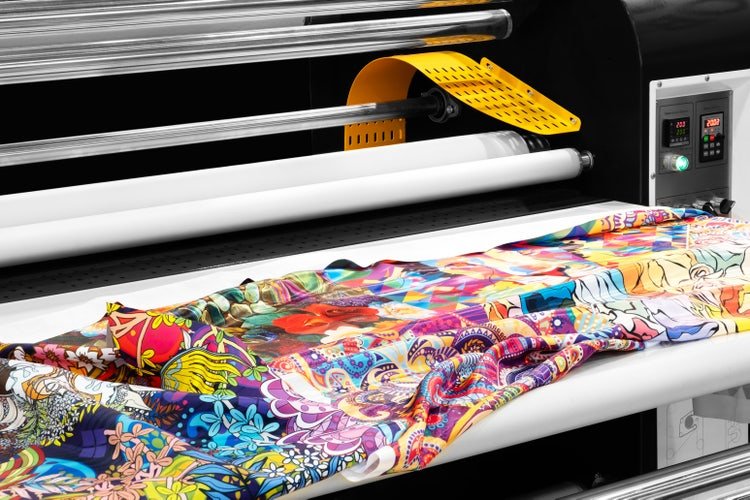
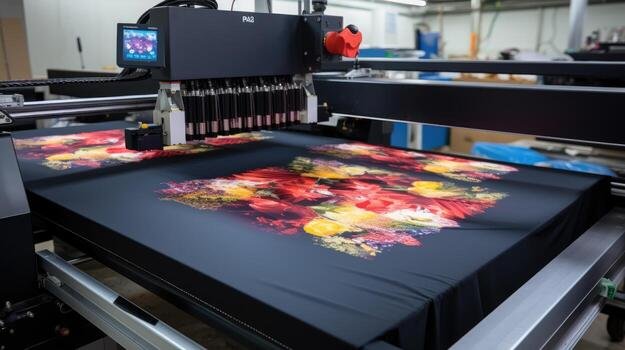
Heat transfer printing involves transferring a printed image from a special paper or film onto fabric using heat and pressure. This can be achieved through several methods, including plastisol transfers, vinyl transfers, and digital transfers. The process is well-suited for detailed, full-color images and allows for rapid customization.
Advantages of Heat Transfer Techniques
- Flexibility for short runs: Ideal for small batches, samples, or one-off designs.
- High-resolution imagery: Capable of reproducing detailed graphics and photographs.
- Quick turnaround: Minimal setup time allows for fast production and on-demand printing.
- Wide range of effects: Specialty films can add metallic, glitter, or textured finishes.
Potential Limitations
- Durability concerns: Transfers may crack, peel, or fade with frequent washing.
- Feel of the print: Some transfers can feel heavy or plasticky compared to screen prints.
- Cost per unit: More expensive for large runs compared to traditional screen printing.
Comparing Silk Screen and Heat Transfer for Brands
When evaluating the comparison of silk screen vs heat transfer printing, it’s important to match the method to your brand’s specific needs. Here’s a breakdown of key factors to consider:
| Factor | Silk Screen Printing | Heat Transfer Printing |
|---|---|---|
| Best for | Bulk orders, simple graphics, long-term durability | Short runs, complex images, customization |
| Setup time | High (screens for each color) | Low (digital or cut transfers) |
| Color range | Limited by number of screens | Unlimited, including gradients and photos |
| Print feel | Soft, integrated with fabric | Can be heavier or have a film-like texture |
| Cost efficiency | Lower per unit for large volumes | Better for small quantities |
| Durability | Excellent, withstands washing | Varies, generally less durable |
When to Choose Each Printing Method
Deciding between these two approaches depends on your project’s priorities. If your brand needs to produce hundreds or thousands of identical shirts with bold, lasting prints, screen printing is typically the better investment. For limited edition runs, intricate artwork, or personalized items, heat transfer offers the flexibility and speed to meet those demands.
Many brands also explore hybrid strategies—using screen printing for main runs and heat transfer for special editions or customizations. For a deeper dive into how these methods compare to other modern techniques, see the difference between screen printing and digital printing for apparel.
Industry Trends and Innovations
Advances in both technologies continue to shape the apparel decoration landscape. Automated screen printing presses have improved efficiency and consistency, while digital heat transfer solutions now offer better washability and softer prints than ever before. For brands interested in the latest developments, learning about what is digital textile printing can provide valuable context on how digital and transfer methods are evolving.
Additionally, the rise of eco-friendly inks and sustainable substrates is influencing both processes, making it easier for brands to align their production with environmental values.
Frequently Asked Questions
Which printing method is more cost-effective for large orders?
For high-volume production, silk screen printing is generally more economical due to lower per-unit costs after initial setup. The process becomes increasingly efficient as order size grows, making it ideal for bulk runs.
Can heat transfer prints last as long as screen prints?
While modern heat transfer materials have improved, screen prints still offer superior durability, especially for garments that will be washed and worn frequently. Some premium transfer films can approach the longevity of screen prints, but overall, screen printing remains the benchmark for lasting results.
Is it possible to achieve photo-quality images with screen printing?
Screen printing excels at bold, graphic designs but is less suited for photorealistic images or detailed gradients. For photo-quality prints, heat transfer or digital printing methods are recommended. To learn more about digital options, see this definition of digital textile printing.