


As the world moves toward more sustainable practices, biodegradable 3D printing materials have become a top choice for environmentally conscious makers and businesses. These innovative filaments and resins offer a way to create functional, beautiful objects while minimizing environmental impact. Whether you’re a hobbyist or a professional, understanding the options and best practices for using these materials can help you make greener choices in your projects.
In this guide, we’ll explore the most popular eco-friendly 3D printing materials, how to select the right one for your needs, and practical tips for successful printing. If you’re just starting out, you might also find the how to start 3D printing at home resource helpful for getting up to speed with the basics.
Understanding Eco-Friendly 3D Printing Filaments
The term biodegradable 3D printing materials typically refers to filaments and resins that break down naturally over time, reducing waste and pollution. The most common type is PLA (polylactic acid), but there are several other options, each with unique properties and applications.
- PLA (Polylactic Acid): Derived from renewable resources like corn starch or sugarcane, PLA is the most widely used biodegradable filament. It’s easy to print, produces minimal odor, and is suitable for a wide range of applications.
- PHA (Polyhydroxyalkanoate): Less common but highly biodegradable, PHA is often blended with PLA to improve toughness and flexibility.
- Bio-based PETG: Some PETG filaments are made with a percentage of renewable content, offering a balance between durability and sustainability.
- Wood, Hemp, and Other Natural Fiber Composites: These filaments combine PLA with organic fibers, giving prints a unique texture and further reducing plastic content.
For a deeper dive into the basics of additive manufacturing, check out this comprehensive overview of 3D printing technology.
Benefits of Using Biodegradable Materials in 3D Printing
Choosing sustainable filaments for your 3D printer offers several advantages beyond just reducing plastic waste. Here are some of the key benefits:
- Lower Environmental Impact: These materials decompose under industrial composting conditions, helping to keep landfills clear of persistent plastics.
- Renewable Resource Base: Many eco-friendly filaments are made from plants, reducing reliance on fossil fuels.
- Safe for Indoor Use: PLA and similar materials emit fewer toxic fumes compared to traditional ABS or other petroleum-based plastics.
- Easy to Print: Most biodegradable options have low warping and don’t require a heated bed, making them ideal for beginners.
Popular Types of Biodegradable 3D Printing Materials
Let’s take a closer look at some of the most popular sustainable filaments and their best use cases:
PLA: The Standard for Green Printing
PLA is the go-to choice for anyone looking to reduce their environmental footprint. It prints at relatively low temperatures (180–220°C), is available in a wide range of colors, and is compatible with nearly all FDM printers. PLA is ideal for prototypes, models, decorative items, and educational projects.
Wood-Filled and Other Composite Filaments
By blending PLA with wood, bamboo, or even coffee grounds, manufacturers have created filaments that mimic the look and feel of natural materials. These composites are perfect for artistic projects, architectural models, or any application where a unique finish is desired. They’re also biodegradable, though the rate of decomposition can vary based on the blend.

PHA and Bio-Based PETG
For projects that require more durability or flexibility, PHA and bio-based PETG are excellent alternatives. PHA is highly biodegradable and often used in medical or packaging applications. Bio-based PETG offers improved strength and is suitable for functional parts, though it may not decompose as quickly as PLA.
How to Print Successfully with Sustainable Filaments
While printing with biodegradable 3D printing materials is similar to using standard plastics, there are a few tips to ensure the best results:
- Store Properly: Keep filaments in a cool, dry place. Many eco-friendly materials are more sensitive to moisture than traditional plastics.
- Adjust Print Settings: Start with the manufacturer’s recommended temperature and speed. PLA, for example, works well at lower temperatures and doesn’t require a heated bed.
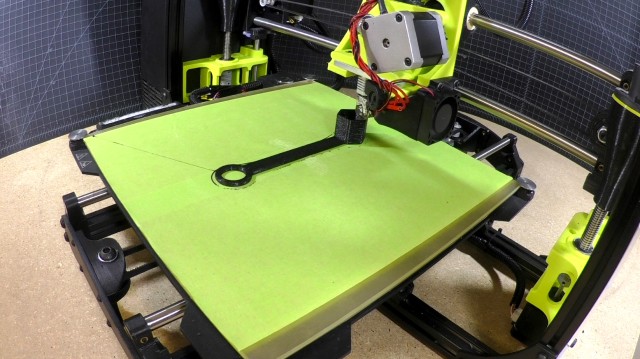
- Use the Right Bed Surface: Blue painter’s tape, PEI sheets, or glue sticks can help with bed adhesion for PLA and composites.
- Post-Processing: Sanding, painting, or sealing prints is possible with most biodegradable filaments, but always test on a small area first.
If you encounter issues like stringing, warping, or poor adhesion, the 3D printing troubleshooting guide provides practical solutions for common problems.
Choosing the Right Eco-Friendly Filament for Your Project
Selecting the best sustainable filament depends on your project’s requirements. Consider these factors:
- Strength and Flexibility: For functional parts, bio-based PETG or PHA blends may be preferable over standard PLA.
- Finish and Appearance: Wood-filled and other composites offer unique textures, while pure PLA is best for vibrant colors and smooth surfaces.
- Compostability: If end-of-life disposal is a priority, look for filaments certified for industrial composting.
- Printer Compatibility: Most FDM printers support PLA and composites, but always check your printer’s specifications before trying new materials.
For those new to setting up their equipment, the 3D printer setup for beginners article offers step-by-step instructions to get started smoothly.
Tips for Reducing Waste in 3D Printing
Using biodegradable 3D printing materials is just one part of a sustainable workflow. Here are additional ways to minimize your environmental impact:
- Optimize Designs: Use infill settings and supports wisely to reduce material usage without compromising strength.
- Recycle Failed Prints: Some companies offer recycling programs for PLA and other eco-friendly filaments.
- Print Only What You Need: Plan projects carefully to avoid unnecessary prototypes or waste.
- Proper Disposal: Compost biodegradable prints at industrial facilities when possible, as home composting may not reach the required temperatures for full breakdown.
For advice on avoiding common pitfalls, see the common 3D printing mistakes resource.
Frequently Asked Questions
Are all eco-friendly 3D printing filaments compostable at home?
Most biodegradable filaments like PLA require industrial composting conditions to break down efficiently. Home composting may not reach the necessary temperatures, so check the manufacturer’s recommendations for proper disposal.
Is there a difference in print quality between sustainable and traditional filaments?
PLA and similar materials generally offer excellent print quality, with minimal warping and good surface finish. However, some composites may require fine-tuning of print settings to achieve optimal results.
Can I use biodegradable filaments for functional or outdoor parts?
While PLA and its composites are great for decorative and indoor items, they may not be as durable as ABS or PETG for outdoor use. For functional parts exposed to stress or weather, consider bio-based PETG or PHA blends for improved strength and resilience.
What should I do if my prints fail when using eco-friendly materials?
Troubleshooting is a normal part of 3D printing. Adjust print temperatures, check for moisture in the filament, and review your bed adhesion methods. The how to fix 3D printing errors guide can help resolve many common issues.

