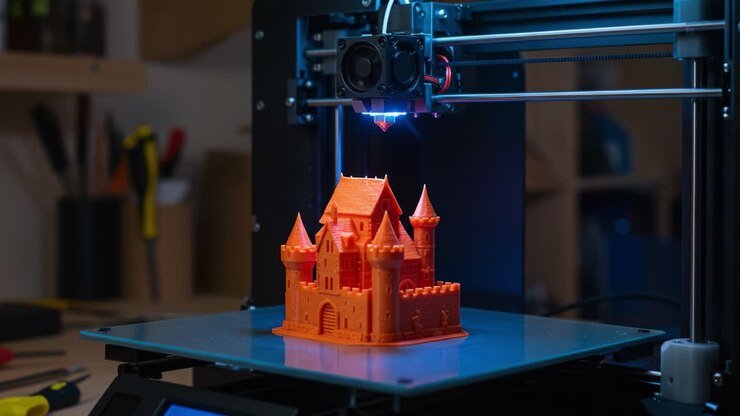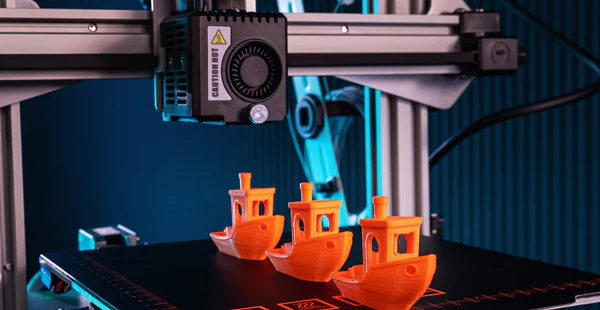
The intersection of biotechnology and food science is rapidly transforming how we think about nutrition, sustainability, and food security. Bio printing food research is at the forefront of this change, offering new ways to create edible products that are both environmentally friendly and nutritionally tailored. This innovative field leverages 3D printing technology to construct food layer by layer, using plant-based, cultured, or alternative protein sources. As the world faces growing challenges related to population growth and resource scarcity, these advances are shaping the future of what—and how—we eat.
For those interested in the broader world of 3D fabrication, exploring techniques like sanding and finishing 3D prints can provide valuable insights into post-processing and achieving optimal results, whether for food or other applications.
Understanding the Basics of Bioprinting in Food Science
At its core, bio printing food research involves using specialized 3D printers to assemble edible materials into precise shapes and textures. Unlike traditional food manufacturing, which often relies on bulk processing and molding, this approach allows for the creation of customized meals with specific nutritional profiles. The process typically involves:
- Preparing food-grade “inks” from proteins, carbohydrates, fats, and micronutrients
- Loading these materials into cartridges or syringes compatible with the printer
- Designing digital models that guide the printer in building the food item layer by layer
- Controlling temperature, humidity, and other environmental factors to ensure safety and quality
The technology draws inspiration from 3D printing principles used in manufacturing, but adapts them for edible substances. This opens up possibilities for creating foods that are not only visually appealing but also tailored to individual dietary needs.
Key Applications and Innovations in Sustainable Nutrition
The promise of bioprinting for sustainable nutrition lies in its ability to address several pressing issues:
- Resource Efficiency: By using only the required amount of raw materials, waste is minimized compared to conventional food production.
- Alternative Proteins: Bioprinting enables the use of plant-based, insect, or lab-cultured proteins, reducing reliance on animal agriculture.
- Personalized Nutrition: Foods can be designed to meet specific health requirements, such as low-sodium, high-protein, or allergen-free diets.
- Reducing Food Miles: On-demand printing allows for local production, cutting down transportation emissions and supporting fresher meals.
Researchers are also exploring ways to enhance flavor, texture, and nutrient density, making these foods appealing to a wide range of consumers. For example, intricate chocolate sculptures, plant-based meat alternatives, and fortified snacks are already being produced using this technology.
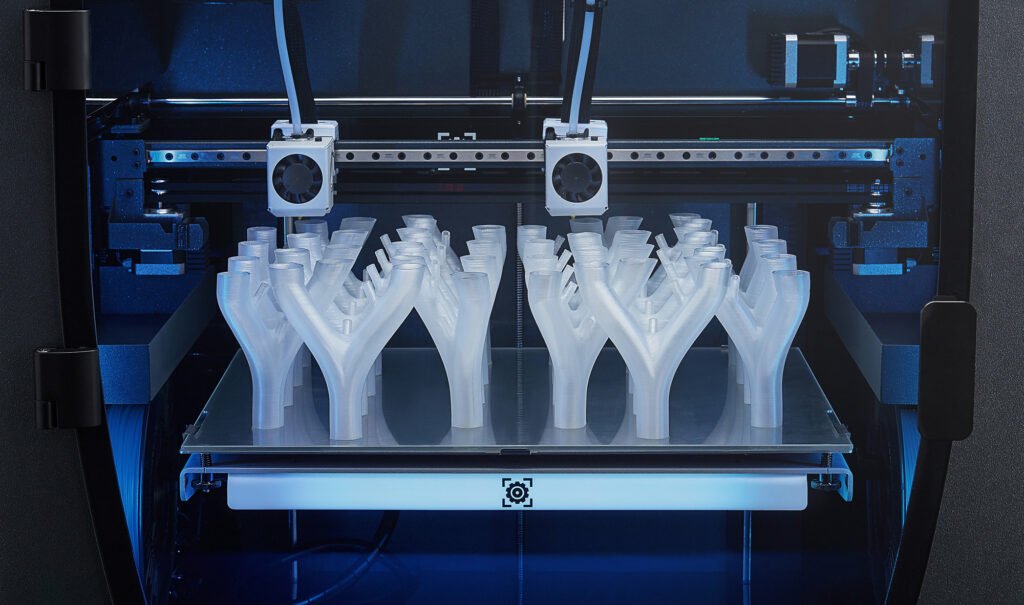
How to Get Started with Bio Printing Food Research
For those interested in exploring this field, there are several steps to consider:
- Learn the Fundamentals: Understanding the basics of 3D printing, food safety, and nutrition is essential. Resources on 3D printing infill patterns can help you grasp how structural choices affect the final product.
- Select the Right Equipment: Specialized food 3D printers are available, designed to handle edible materials safely. Entry-level models can be used for experimenting with simple recipes, while advanced machines offer greater precision and flexibility.
- Develop Edible Inks: Experiment with blends of pureed vegetables, proteins, and hydrocolloids (such as agar or gelatin) to create printable pastes. Texture and viscosity are key factors for successful printing.
- Design Digital Models: Use CAD software to create shapes and structures. Start with basic forms and gradually move to more complex geometries as you gain experience.
- Test and Refine: Print prototypes, adjust recipes, and evaluate taste, texture, and appearance. Iterative testing is crucial for achieving desirable results.
As you progress, consider how post-processing techniques—such as those described in post processing 3D prints—can enhance the final presentation and safety of your creations.
Challenges and Opportunities in Edible 3D Printing
While the potential of bio printing food research is significant, several challenges remain:
- Material Limitations: Not all ingredients are suitable for printing. Achieving the right consistency and stability can be difficult, especially with whole foods or fibrous materials.
- Regulatory Hurdles: Food safety standards and regulations are still evolving for printed foods, requiring rigorous testing and compliance.
- Consumer Acceptance: Some people may be hesitant to try foods made with unfamiliar technologies. Education and transparency are key to building trust.
- Cost and Accessibility: High-end equipment and ingredients can be expensive, though costs are expected to decrease as the technology matures.
On the other hand, the opportunities are vast. Bioprinting can help address malnutrition, reduce the environmental impact of food production, and enable creative culinary experiences. As more chefs, scientists, and entrepreneurs enter the field, the pace of innovation is likely to accelerate.
Integrating Bioprinting with Other 3D Printing Techniques
The skills and knowledge gained from working with traditional 3D printing can be highly beneficial for those interested in food applications. Understanding topics like how to prevent warping in prints or mastering painting 3D printed models can translate to better results in edible creations, especially when it comes to maintaining shape and visual appeal.
Collaboration between food technologists, engineers, and designers is essential for pushing the boundaries of what is possible. As the field evolves, expect to see new textures, flavors, and nutritional profiles that were previously unimaginable.
FAQ
What materials are commonly used in bioprinting food?
Edible 3D printing typically uses pureed vegetables, plant-based proteins, dairy, chocolate, doughs, and hydrocolloids like agar or gelatin. These ingredients are formulated into printable pastes or gels that maintain their shape during and after printing.
Is bioprinted food safe to eat?
When produced using food-grade equipment and ingredients, and following proper hygiene protocols, bioprinted foods are safe to consume. However, as with any new technology, regulatory standards are still developing, so it’s important to stay informed about local guidelines.
Can I try 3D printing food at home?
Yes, there are consumer-level food 3D printers available that allow home users to experiment with simple recipes like chocolate, pasta, or cookie dough. Start with basic shapes and gradually explore more complex designs as you become familiar with the process.