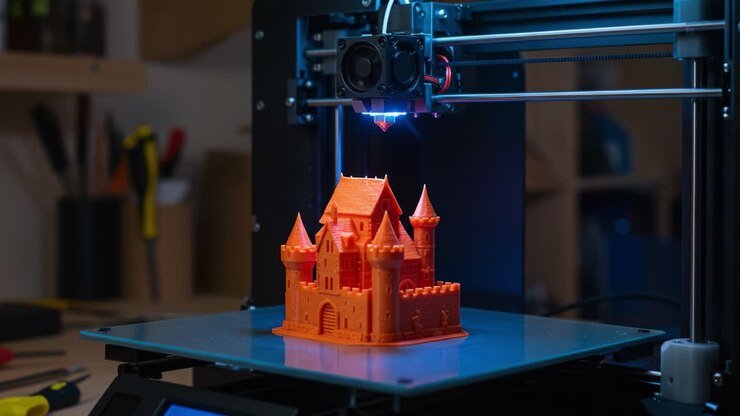
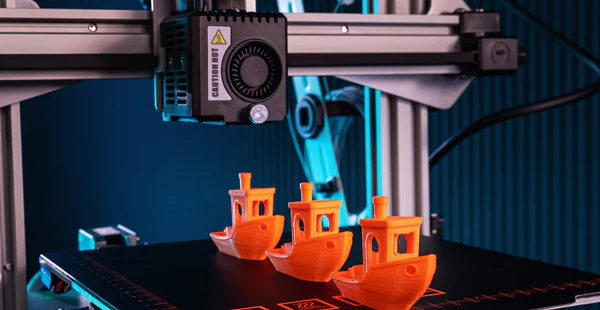
Binder jetting technology is a prominent additive manufacturing method known for its versatility and efficiency in producing complex parts. Unlike other 3D printing processes, this approach uses a binding agent to fuse powder materials layer by layer, resulting in detailed and functional components. Whether you’re exploring rapid prototyping, low-volume production, or intricate design possibilities, understanding this process can help you make informed decisions for your next project.
In this article, you’ll find a detailed breakdown of how binder jetting works, its main advantages, typical applications, and important considerations for achieving the best results. If you’re interested in optimizing your printed parts after production, you may also want to read about sanding and finishing 3D prints for smoother surfaces and enhanced durability.

Understanding the Binder Jetting Process
Binder jetting is a powder-based additive manufacturing technique. The process involves spreading a thin layer of powder—such as metal, sand, or ceramic—across a build platform. An inkjet print head then selectively deposits a liquid binding agent onto the powder bed, adhering particles together in the desired pattern. The build platform lowers, and the process repeats, gradually forming a solid object layer by layer.
Once printing is complete, the part remains encased in loose powder, which supports delicate features during production. After the build, excess powder is removed, and the part may undergo secondary processes like curing, sintering, or infiltration to achieve final strength and finish.
Key Benefits of Binder Jetting Additive Manufacturing
This method stands out for several reasons:
- Speed and Scalability: Binder jetting can produce multiple parts simultaneously, making it suitable for batch production and rapid prototyping.
- Material Versatility: The process accommodates a wide range of powders, including metals, ceramics, and sand, expanding its use across industries.
- Cost-Effectiveness: Since it operates at room temperature and does not require support structures, material waste and energy consumption are minimized.
- Complex Geometries: Intricate internal channels, lattice structures, and detailed surface textures are achievable thanks to the powder bed’s support.
Materials Used in Binder Jetting Systems
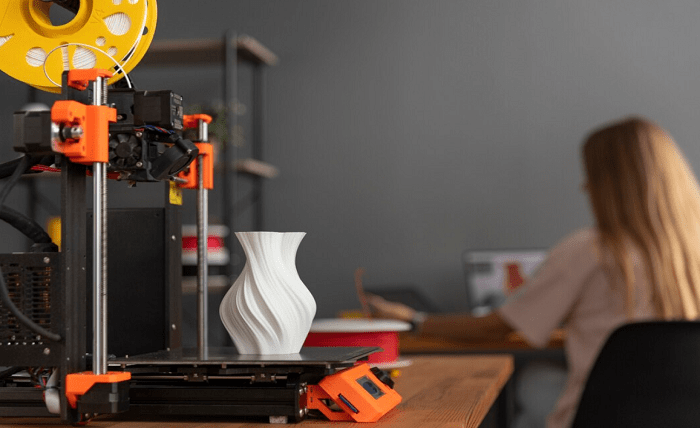
The flexibility of binder jetting systems comes from their compatibility with various powder materials. Common options include:
- Metals: Stainless steel, Inconel, copper, and other alloys are popular for functional parts and tooling.
- Ceramics: Alumina, silica, and zirconia powders are used for technical ceramics and prototypes.
- Sand: Often used for creating molds and cores in foundry applications, especially for casting metals.
The choice of powder affects not only the mechanical properties but also the post-processing steps required to achieve the desired finish and strength.
Step-by-Step Workflow: From Digital Model to Finished Part
- Design Preparation: The process starts with a 3D CAD model, which is sliced into thin layers using specialized software.
- Powder Deposition: A thin layer of powder is spread evenly across the build platform.
- Binder Application: The print head jets the binding agent onto specific areas, adhering powder particles together.
- Layer Repetition: The platform lowers, and the cycle repeats until the object is fully formed.
- Depowdering: The printed part is removed from the powder bed, and excess powder is cleaned off for reuse.
- Post-Processing: Depending on the material, the part may be cured, sintered, or infiltrated with another substance to enhance strength and durability.
For those interested in improving the surface quality of their prints, exploring post processing 3D prints can provide valuable insights into sanding, finishing, and painting techniques.
Common Applications and Industry Use Cases
Binder jetting is widely adopted in industries where speed, customization, and material flexibility are crucial. Some typical applications include:
- Prototyping: Fast turnaround for complex prototypes in automotive, aerospace, and consumer products.
- Tooling: Production of molds, cores, and dies for casting and forming processes.
- End-Use Parts: Functional components for machinery, electronics, and medical devices.
- Art and Architecture: Creation of sculptures, models, and decorative elements with intricate detail.
The ability to use sand as a base material has revolutionized foundry workflows, enabling rapid production of casting molds and cores that would be time-consuming to make with traditional methods.
Challenges and Limitations of Binder Jetting
While binder jetting offers many advantages, it also comes with certain limitations:
- Mechanical Properties: Parts may require additional post-processing to achieve full density and strength, especially for metal applications.
- Surface Finish: Printed surfaces can be rougher compared to other additive manufacturing methods, often necessitating secondary finishing steps.
- Dimensional Accuracy: Shrinkage during sintering or infiltration can affect final dimensions, requiring careful design and compensation.
- Material Availability: Not all powders are readily available or affordable, and some may require special handling.
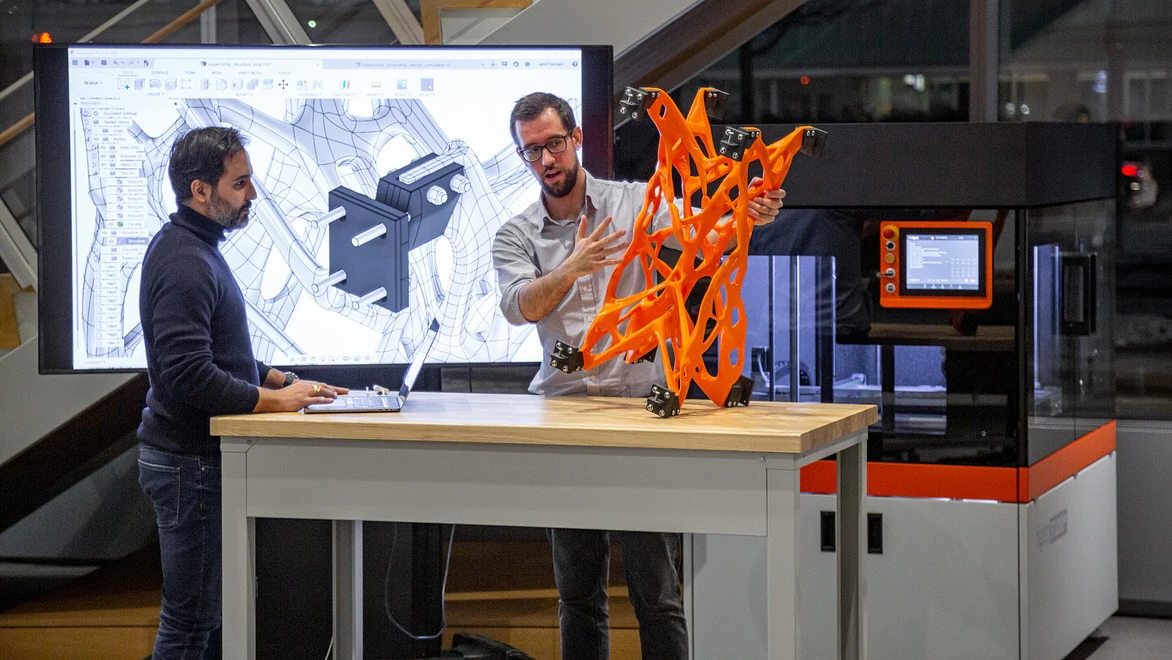
Addressing these challenges often involves combining binder jetting with other finishing and post-processing techniques. For example, learning about painting 3D printed models can help improve both aesthetics and durability.
Comparing Binder Jetting to Other 3D Printing Methods
When evaluating additive manufacturing options, it’s helpful to compare binder jetting with other popular processes:
- Fused Deposition Modeling (FDM): Uses thermoplastic filaments and is widely accessible, but may lack the material range and detail of binder jetting.
- Stereolithography (SLA): Offers high resolution and smooth surfaces, primarily with photopolymer resins.
- Select Laser Sintering (SLS): Fuses powder materials with a laser, producing strong parts but often at higher costs and with more complex support requirements.
Each method has its strengths and ideal applications. For a broader overview, consult a comprehensive 3D printing guide to help determine the best fit for your needs.
Tips for Success with Binder Jetting
- Optimize Design: Account for powder removal, wall thickness, and potential shrinkage during post-processing.
- Choose the Right Material: Select powders that align with your functional and aesthetic requirements.
- Plan for Finishing: Incorporate post-processing steps such as sanding, infiltration, or painting to achieve the desired result.
- Monitor Process Parameters: Consistent powder spreading and binder application are crucial for quality and repeatability.
For additional guidance on avoiding common printing issues, see our article on how to prevent warping in prints.
Frequently Asked Questions
What types of objects are best suited for binder jetting?
This method excels at producing complex geometries, prototypes, small-batch production parts, and sand molds for casting. It’s especially useful when intricate internal features or rapid turnaround are required.
How does the surface finish compare to other 3D printing methods?
Parts made with binder jetting often have a slightly rougher surface than those produced with SLA or SLS. However, post-processing techniques like sanding and infiltration can significantly improve the finish.
Is binder jetting suitable for functional metal parts?
Yes, especially when post-processing steps such as sintering or infiltration are used to enhance strength and density. It’s increasingly popular for tooling, prototypes, and even some end-use components.
Can unused powder be recycled in binder jetting?
Most systems allow for the reuse of excess powder, making the process more cost-effective and sustainable compared to some other additive manufacturing methods.
Conclusion
Binder jetting stands out as a flexible and efficient additive manufacturing solution, offering unique advantages in speed, material diversity, and geometric complexity. By understanding the workflow, materials, and post-processing options, users can leverage this technology for a wide range of applications. For those looking to further enhance their prints, exploring resources on 3D printing infill patterns and finishing techniques can provide even greater control over final results.