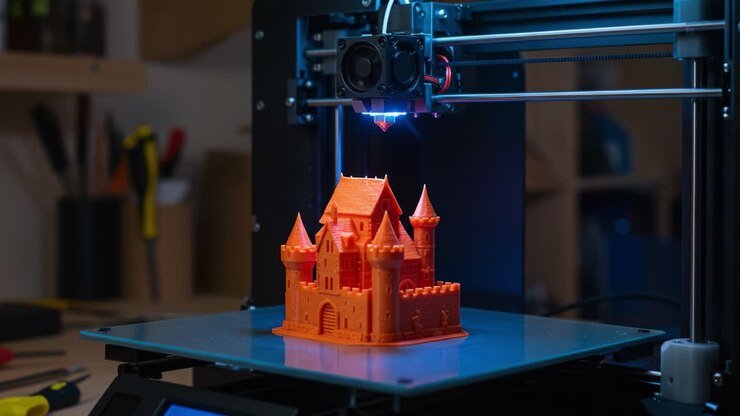
Choosing the best slicer software for 3D printing is a crucial step for anyone looking to achieve high-quality, reliable prints. Slicer programs act as the bridge between your 3D model and your printer, converting digital designs into precise instructions that guide every movement of the machine. With a growing number of options available, understanding the differences between popular slicers, their unique features, and how they impact your workflow can help you make an informed decision.
This article explores the leading slicing tools, comparing their strengths, compatibility, and user experience. Whether you are a beginner or an experienced maker, selecting the right software can streamline your process and unlock new creative possibilities. For those interested in advanced materials or techniques, you might also find value in our nylon 3D printing guide, which covers specialized tips for working with engineering-grade filaments.
Understanding 3D Printing Slicer Software
Slicer applications are essential tools in the additive manufacturing workflow. They take a 3D model—usually in STL, OBJ, or 3MF format—and break it down into thin horizontal layers. The software then generates G-code, a set of instructions that tells the printer how to move, extrude, and build each layer. The choice of slicer can influence everything from print quality and speed to material efficiency and support structure generation.
For those new to the technology, learning more about how 3D printing works can provide valuable context for understanding why slicer selection matters.
Key Features to Look for in Slicer Programs
Before comparing specific options, it’s important to consider the features that set leading slicers apart. Here are some of the most important aspects to evaluate:
- Printer Compatibility: Ensure the software supports your specific printer model and firmware.
- Material Profiles: Look for built-in or customizable profiles for PLA, ABS, PETG, and specialty filaments.
- Support Generation: Advanced support algorithms can simplify post-processing and improve print success rates.
- User Interface: A clear, intuitive interface makes it easier to adjust settings and preview results.
- Speed and Efficiency: Fast slicing and optimized G-code can reduce print times and material waste.
- Community and Updates: Active development and a large user community mean better support and frequent improvements.
Top Choices for the Best Slicer Software for 3D Printing
Let’s examine some of the most popular slicing tools available today, highlighting their unique strengths and who they’re best suited for.
Ultimaker Cura: Versatile and User-Friendly
Cura is one of the most widely used slicers, known for its open-source foundation and broad compatibility. It supports hundreds of printer models and offers a user-friendly interface that appeals to both beginners and professionals. Key features include:
- Extensive material and printer profiles
- Customizable settings for layer height, infill, supports, and more
- Regular updates and a large online community
- Integration with CAD software and cloud printing options
Cura’s flexibility makes it a strong choice for users who want to experiment with different materials or advanced print settings. Its visual G-code preview helps identify potential issues before printing begins.
PrusaSlicer: Advanced Features for Enthusiasts
PrusaSlicer is developed by Prusa Research and is especially popular among users of Prusa printers, though it supports a wide range of machines. It offers powerful features for experienced makers, including:
- Detailed control over supports, infill patterns, and print speeds
- Adaptive layer height for improved surface quality
- Multi-material and multi-color printing support
- Integration with OctoPrint for remote monitoring
The software’s open-source nature and frequent updates ensure it stays at the forefront of innovation. PrusaSlicer is a strong contender for anyone seeking granular control and professional results.
Simplify3D: Premium Performance and Customization
Simplify3D is a commercial slicer known for its speed, reliability, and deep customization options. While it comes with a one-time purchase fee, many professionals value its robust support generation and ability to fine-tune every aspect of the print process. Highlights include:
- Highly customizable print settings and scripts
- Excellent support structure editing and removal
- Fast slicing and efficient G-code output
- Wide printer compatibility
Simplify3D is often chosen by users who demand maximum control and are willing to invest in a premium solution. Its detailed previews and troubleshooting tools can help optimize complex or large-scale projects.
Other Notable Slicer Options
While the above programs are among the most popular, several other slicers are worth mentioning:
- IdeaMaker: Developed by Raise3D, it offers a balance of ease-of-use and advanced features, supporting a variety of printers and materials.
- Lychee Slicer: Favored for resin printing, it provides intuitive support generation and a modern interface.
- Slic3r: The open-source predecessor to PrusaSlicer, still maintained and valued for its flexibility.
Your choice may also depend on the type of printing you plan to do. For example, if you’re interested in sustainable practices, our guide on sustainable 3D printing materials covers eco-friendly filament options and how slicer settings can help minimize waste.
Comparing Slicer Software: Features and Benefits
| Slicer | Best For | Key Features | Cost |
|---|---|---|---|
| Cura | Beginners & General Use | Wide compatibility, easy interface, strong community | Free |
| PrusaSlicer | Advanced Users & Multi-Material | Adaptive layers, detailed settings, open source | Free |
| Simplify3D | Professionals & Power Users | Deep customization, fast slicing, premium support | Paid (one-time) |
| IdeaMaker | Raise3D & Versatile Printing | Easy setup, advanced features, multi-printer support | Free |
| Lychee Slicer | Resin Printing | Intuitive supports, modern UI, frequent updates | Free/Paid |
Tips for Choosing the Right Slicer for Your Needs
When selecting a slicing program, consider the following:
- Printer Model: Some slicers are optimized for specific brands or hardware.
- Material Use: If you plan to print with advanced materials like carbon fiber or wood-filled filaments, check for compatible profiles. Our guides on carbon fiber 3D printing and wood filament printing offer more details.
- Budget: Free slicers are often sufficient for most users, but paid options may offer advanced features and support.
- Community Support: Active forums and documentation can make troubleshooting and learning easier.
- Future Needs: Consider whether you’ll want to experiment with dual extrusion, resin printing, or other advanced techniques.
Frequently Asked Questions
What is the main purpose of slicer software in 3D printing?
Slicer software converts 3D models into instructions (G-code) that a printer can understand. It determines how the printer builds each layer, controls print speed, temperature, and generates supports. The right slicer can improve print quality, efficiency, and reliability.
Is free slicer software good enough for professional results?
Many free slicers, such as Cura and PrusaSlicer, offer advanced features and are used by professionals worldwide. Paid options like Simplify3D provide additional customization and support, but free tools are often sufficient for most applications.
How do slicer settings affect print quality?
Settings such as layer height, infill density, print speed, and support structures directly impact the surface finish, strength, and accuracy of your prints. Experimenting with these parameters and using recommended profiles for your material and printer can help achieve the best results.
Can I use one slicer for both FDM and resin printers?
Some slicers are designed for specific technologies. While Cura and PrusaSlicer focus on FDM, programs like Lychee Slicer are optimized for resin printing. Always check compatibility with your printer type.
Conclusion
Selecting the right slicing program is a key factor in successful 3D printing. By comparing features, compatibility, and user experience, you can find a solution that matches your needs and helps you get the most from your printer. As technology evolves, staying informed about new developments and leveraging community resources will help you continue to improve your prints and expand your capabilities.