The food industry faces constant challenges in maintaining product safety and freshness. One of the most innovative solutions in recent years is antimicrobial food-safe packaging. This technology is designed to inhibit the growth of bacteria, molds, and other microorganisms that can spoil food or pose health risks. As consumer demand for safer, longer-lasting products grows, understanding how these advanced materials work and their benefits becomes increasingly important for both businesses and consumers.
For those interested in making informed packaging decisions, it’s also helpful to explore resources like the food-safe packaging selection guide, which provides a broader overview of packaging options and safety considerations.
How Antimicrobial Packaging Works
At its core, antimicrobial food-safe packaging incorporates agents that actively suppress or kill harmful microorganisms. These agents can be natural, such as silver ions or essential oils, or synthetic, like certain polymers and chemical additives. When integrated into packaging materials, these substances create an environment that is hostile to bacteria, yeasts, and molds, helping to extend the shelf life of food products.
The antimicrobial effect can be achieved through various mechanisms. Some agents disrupt the cell membranes of microbes, while others interfere with their metabolism or reproduction. The choice of agent and method depends on the type of food being packaged, regulatory requirements, and the desired shelf life.
Benefits of Using Antimicrobial Solutions in Food Packaging
The adoption of antimicrobial materials in packaging offers several significant advantages:
- Extended shelf life: By slowing down microbial growth, food stays fresher for longer, reducing spoilage and waste.
- Enhanced safety: Lower microbial counts mean a reduced risk of foodborne illnesses, protecting consumers and brands alike.
- Reduced preservatives: With active packaging, manufacturers can often use fewer chemical preservatives, appealing to health-conscious consumers.
- Improved sustainability: Less food waste translates to a smaller environmental footprint, aligning with global sustainability goals.

Types of Antimicrobial Agents Used in Packaging
There are several categories of antimicrobial agents commonly used in food packaging:
- Natural agents: Silver ions, chitosan, and plant extracts (such as oregano oil) are popular for their safety and effectiveness.
- Inorganic compounds: Zinc oxide and titanium dioxide are used for their broad-spectrum antimicrobial properties.
- Organic compounds: Certain polymers and surfactants can be engineered to inhibit microbial growth.
- Enzyme-based systems: Enzymes that break down microbial cell walls are sometimes embedded in packaging films.
The selection of an antimicrobial agent depends on factors like the type of food, packaging material compatibility, and regulatory approval. For example, natural agents are often preferred for organic or minimally processed foods, while inorganic compounds may be used in more industrial settings.
Applications Across the Food Industry
The use of antimicrobial technology is expanding across various segments of the food industry. Some common applications include:
- Fresh produce: Wrapping fruits and vegetables in antimicrobial films helps reduce spoilage and maintain quality during transport and storage.
- Meat and seafood: These products are especially vulnerable to bacterial contamination, making active packaging a valuable tool for safety and shelf life extension.
- Dairy products: Cheese and yogurt benefit from packaging that inhibits mold and bacterial growth.
- Baked goods: Mold growth can be slowed, keeping bread and pastries fresher for longer periods.
Regulatory Considerations and Safety
Any material that comes into direct contact with food must meet strict safety standards. Regulatory agencies such as the U.S. Food and Drug Administration (FDA) and the European Food Safety Authority (EFSA) have established guidelines for the use of antimicrobial agents in packaging. These regulations ensure that the substances used are safe for consumers and do not migrate into food at harmful levels.
Manufacturers must conduct thorough testing and provide documentation to demonstrate compliance. This includes migration studies, toxicity assessments, and efficacy testing. It’s essential for businesses to stay updated on evolving regulations to maintain product safety and avoid costly recalls.
Environmental Impact and Sustainability
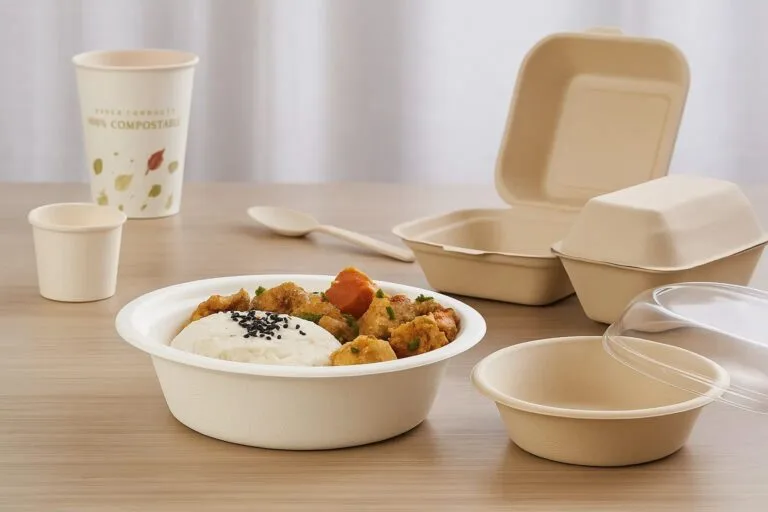
As sustainability becomes a top priority, many companies are exploring eco-friendly options for antimicrobial packaging. Some solutions use biodegradable materials or incorporate natural antimicrobial agents, reducing the reliance on synthetic chemicals and plastics. This not only helps protect the environment but also appeals to consumers who value green practices.
For more ideas on minimizing environmental impact, consider reading about reducing food packaging waste, which discusses practical strategies for waste reduction in the food industry.
Choosing the Right Antimicrobial Packaging for Your Needs
Selecting the most suitable packaging involves evaluating several factors:
- Type of food: Different foods require different levels and types of antimicrobial protection.
- Intended shelf life: Products with longer distribution chains may benefit more from active packaging.
- Material compatibility: The chosen antimicrobial agent must work effectively with the packaging material and not compromise its integrity.
- Regulatory compliance: Ensure all materials and agents meet local and international food safety standards.
- Consumer preferences: Increasingly, buyers are looking for packaging that is both safe and environmentally responsible.
For a comprehensive overview of packaging types and how to select the best option, check out this guide to common food packaging types and selection tips.
Frequently Asked Questions
What makes packaging antimicrobial?
Antimicrobial packaging contains agents—either natural or synthetic—that actively inhibit the growth of bacteria, molds, and other microorganisms. These agents are integrated into the packaging material, creating a protective barrier that helps keep food safe and fresh.
Is antimicrobial packaging safe for all types of food?
Most antimicrobial solutions are designed to be safe for a wide range of foods, but it’s important to ensure that the specific agents used are approved for the intended food type and meet all regulatory standards. Always check with suppliers and review compliance documentation.
Does using antimicrobial packaging eliminate the need for refrigeration?
While antimicrobial materials can extend shelf life and reduce spoilage, they do not replace the need for proper storage conditions such as refrigeration. They are best used as part of a comprehensive food safety strategy.