As the food industry evolves, so do the technologies designed to keep products fresh, safe, and appealing. One of the most significant advancements in recent years is active packaging for food safety. Unlike traditional packaging, which simply acts as a barrier, active solutions interact with food or its environment to extend shelf life, reduce spoilage, and enhance consumer protection.
Businesses and consumers alike are increasingly interested in how these innovative materials work and what benefits they offer. Understanding the science and practical applications behind these solutions is essential for anyone involved in food production, distribution, or retail. For those looking to explore related innovations, our detailed guide on antimicrobial food-safe packaging provides further insights into packaging technologies that actively protect food.
What Is Active Packaging and How Does It Work?
At its core, active packaging for food safety refers to materials and systems that do more than passively contain food. These packages are engineered to interact with the contents or the surrounding atmosphere, aiming to improve safety, quality, and shelf life. This can involve absorbing unwanted substances, releasing beneficial compounds, or even changing color to signal spoilage.
The main principle behind these solutions is to create a controlled environment inside the package. By managing factors like oxygen, moisture, and microbial growth, active materials help prevent foodborne illnesses and reduce waste. This approach is especially valuable for perishable items such as meats, dairy, baked goods, and ready-to-eat meals.

Key Technologies Used in Modern Food Packaging
Several types of active components are commonly integrated into packaging to enhance food safety. Here are some of the most widely used technologies:
- Oxygen Scavengers: These materials absorb residual oxygen inside the package, slowing down oxidation and inhibiting the growth of aerobic microorganisms.
- Moisture Regulators: By controlling humidity, these elements help prevent mold, sogginess, or drying out, depending on the food’s needs.
- Antimicrobial Agents: Some packages release or contain substances that suppress bacteria, yeast, or mold, directly improving food safety.
- Ethylene Absorbers: Used mainly for fruits and vegetables, these reduce ethylene gas, which can accelerate ripening and spoilage.
- Time-Temperature Indicators: These smart labels change color or display information if the product has been exposed to unsafe conditions.
Each of these technologies can be tailored to specific foods and supply chain requirements. For example, oxygen scavengers are often found in meat and snack packaging, while moisture regulators are common in baked goods.
Benefits of Using Active Packaging for Food Safety
The advantages of incorporating active packaging for food safety are substantial for both producers and consumers. Some of the key benefits include:
- Extended Shelf Life: By controlling environmental factors, these solutions help food stay fresh for longer periods, reducing the frequency of spoilage.
- Reduced Food Waste: Longer shelf life means less food is discarded due to spoilage, which is both economically and environmentally beneficial. For more strategies on minimizing waste, see our article on reducing food packaging waste.
- Improved Food Safety: By actively inhibiting the growth of harmful microorganisms, these packages lower the risk of foodborne illnesses.
- Enhanced Consumer Confidence: Features like freshness indicators provide visible assurance that products are still safe to eat.
- Support for Supply Chain Efficiency: With improved shelf stability, products can be transported over longer distances and stored for extended periods without compromising quality.
Common Applications in the Food Industry
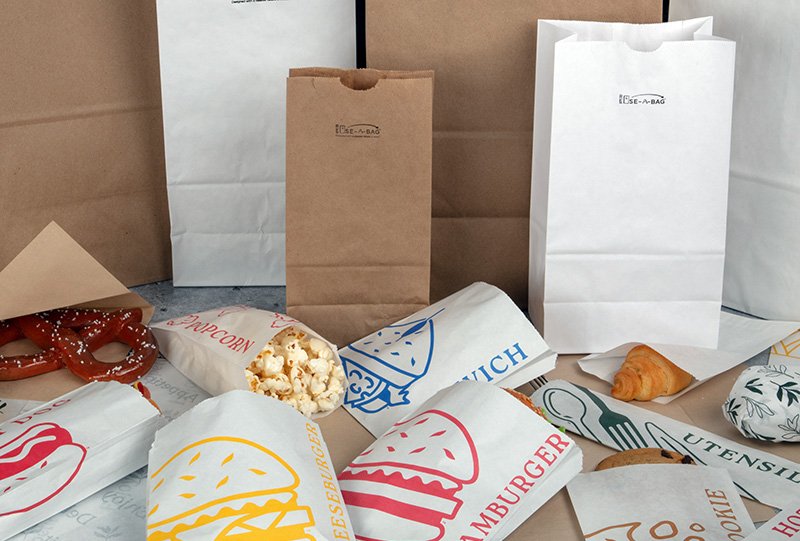
Active packaging is used across a wide range of food products. Some of the most common applications include:
- Meat and Poultry: Oxygen scavengers and antimicrobial films help prevent spoilage and pathogen growth.
- Dairy Products: Moisture regulators and freshness indicators are used to maintain texture and signal when products are no longer safe.
- Fruits and Vegetables: Ethylene absorbers slow down ripening, while antimicrobial coatings reduce mold and decay.
- Bakery Items: Moisture control prevents staling and mold, extending the shelf life of bread and pastries.
- Ready-to-Eat Meals: Multiple active elements are often combined to ensure safety and quality throughout distribution.
For those handling cold storage, our resource on food-safe packaging for refrigerators explores how these solutions can be optimized for chilled environments.
Challenges and Considerations for Implementation
While the advantages are clear, adopting active packaging involves several important considerations:
- Regulatory Compliance: All materials must meet food safety standards set by authorities such as the FDA or EFSA.
- Cost: Advanced packaging technologies can be more expensive than traditional options, though the reduction in waste and spoilage may offset these costs.
- Consumer Education: Shoppers need to understand how features like freshness indicators work to fully benefit from them.
- Environmental Impact: Some active components may complicate recycling. Manufacturers are increasingly exploring eco-friendly alternatives.
- Compatibility: Not all foods require the same type of active packaging, so customization is often necessary.
When selecting the right solution, it’s important to consider the specific needs of the product and supply chain. Our article on how to choose food-safe packaging offers practical tips for making informed decisions.
Trends and Future Directions in Food Packaging Safety
The field of active packaging for food safety continues to evolve rapidly. Some emerging trends include:
- Biodegradable and Compostable Materials: New developments are making it possible to combine active functionality with environmental sustainability.
- Smart Packaging: Integration of digital sensors and QR codes allows consumers and retailers to track freshness and traceability in real time.
- Natural Additives: Plant-based antimicrobials and antioxidants are being used to replace synthetic chemicals in active packaging.
- Customization: Solutions are increasingly tailored to specific foods, supply chains, and consumer preferences.
For a comprehensive overview of current and future food-safe packaging methods, this complete guide to food-safe packaging solutions offers valuable industry insights.
Frequently Asked Questions
How does active packaging differ from traditional food packaging?
Traditional packaging serves primarily as a passive barrier, protecting food from external contaminants. In contrast, active solutions interact with the food or its environment, using technologies like oxygen scavengers or antimicrobial agents to actively preserve freshness and safety.
Is active packaging safe for all types of food?
Most active technologies are designed for specific food categories and must comply with strict regulatory standards. It’s important to choose the right type for each product and ensure all materials are approved for food contact.
Can active packaging be recycled?
Some active materials may complicate recycling, especially if they contain additives or multilayer structures. However, there is a growing trend toward developing recyclable and compostable options that combine safety with sustainability.