3D printing with ceramics is transforming the way artists, engineers, and manufacturers approach the creation of complex, functional, and beautiful objects. Unlike traditional clay shaping or industrial casting, this process allows for digital designs to be brought to life with remarkable precision and repeatability. As the technology matures, it’s opening new possibilities for custom art, advanced engineering components, and even biomedical devices.
In this article, you’ll discover how ceramic additive manufacturing works, what materials are commonly used, and which techniques are shaping the future of this innovative field. We’ll also cover practical tips for achieving the best results and highlight essential post-processing steps. For those interested in finishing techniques, our guide on sanding and finishing 3D prints offers additional insights into perfecting your creations.

Understanding Ceramic Additive Manufacturing
Ceramic 3D printing refers to the use of digital fabrication techniques to build objects layer by layer using ceramic-based materials. This approach offers several advantages over traditional methods, such as the ability to create intricate geometries, internal channels, and lightweight structures that would be difficult or impossible to achieve with hand-building or casting.
The process typically starts with a digital model, which is sliced into thin layers. Specialized printers then deposit or solidify ceramic material according to these layers, gradually forming the final object. After printing, the piece usually requires additional steps like drying, firing, and glazing to achieve its final properties.
Key Materials Used in Ceramic 3D Printing
The choice of material is crucial for successful ceramic 3D printing. Some of the most common options include:
- Porcelain: Known for its fine texture and translucency, porcelain is popular for both artistic and functional applications.
- Stoneware: Durable and versatile, stoneware is often used for tableware, tiles, and industrial components.
- Alumina (Aluminum Oxide): This technical ceramic is valued for its high strength, electrical insulation, and resistance to wear, making it suitable for engineering and medical uses.
- Silicon Carbide and Zirconia: Advanced ceramics like these are used in demanding environments, such as aerospace and electronics, due to their thermal and mechanical properties.
Most ceramic 3D printers use a paste or slurry that contains fine ceramic particles suspended in a liquid binder. The specific formulation depends on the printer type and the desired end-use of the object.
Popular Techniques for 3D Printing Ceramic Objects
Several methods are used to create ceramic parts with additive manufacturing. Each technique has its strengths and is suited to different applications:
Extrusion-Based Printing
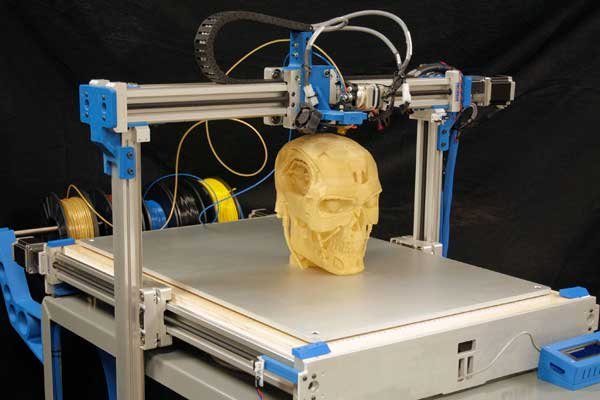
This is the most common approach for ceramic 3D printing. A thick paste of ceramic material is extruded through a nozzle, layer by layer, to build up the object. This method is well-suited for pottery, tiles, and custom art pieces. After printing, the object must be dried slowly to prevent cracking, then fired in a kiln to harden the ceramic.
Stereolithography (SLA) and Digital Light Processing (DLP)
These techniques use light to cure a photosensitive resin mixed with ceramic particles. The result is a highly detailed “green” part that is later fired to remove the resin and sinter the ceramic. SLA and DLP are ideal for producing intricate designs and prototypes, especially in fields like dentistry and jewelry.
Binder Jetting
In binder jetting, a liquid binder is selectively deposited onto a bed of ceramic powder, bonding the particles together layer by layer. The printed object is fragile until it undergoes post-processing, which typically involves infiltration with another material or sintering in a furnace. This method is used for both decorative and industrial parts.
Post-Processing and Finishing Ceramic Prints
Once a ceramic object is printed, it usually requires several finishing steps to achieve its final appearance and strength. These steps may include:
- Drying: The printed object must be dried slowly and evenly to prevent warping or cracking.
- Firing: The dried piece is fired in a kiln at high temperatures to sinter the ceramic particles, making the object hard and durable.
- Glazing: A glassy coating can be applied and fired again to add color, waterproofing, and a smooth finish.
- Sanding and Polishing: For a refined look, surfaces can be sanded or polished after firing. For more on this, see our detailed guide to post processing 3D prints.
Proper post-processing is essential for both functional and decorative items. It ensures that the final product meets the desired standards for strength, appearance, and usability.
Applications and Benefits of Ceramic 3D Printing
The ability to create custom, complex shapes with ceramics is valuable across many industries. Some notable applications include:
- Art and Design: Artists can produce intricate sculptures, jewelry, and decorative objects that would be difficult to craft by hand.
- Medical and Dental: Custom dental crowns, implants, and bone scaffolds can be tailored to individual patients.
- Engineering and Manufacturing: Technical ceramics are used for heat-resistant parts, electrical insulators, and wear-resistant components.
- Tableware and Home Goods: Unique mugs, plates, and vases can be produced in small batches or as one-of-a-kind pieces.
The main advantages of this technology include design freedom, reduced material waste, and the ability to rapidly prototype or produce on demand. For a broader overview of additive manufacturing, see this comprehensive explanation of 3D printing technology.
Best Practices for Successful Ceramic Prints
Achieving high-quality results with ceramic additive manufacturing requires attention to several key factors:
- Use the Right Material: Choose a ceramic paste or resin that matches your printer and the intended use of the object.
- Optimize Print Settings: Adjust layer height, print speed, and extrusion rate to suit the material and design complexity.
- Control the Environment: Maintain stable temperature and humidity during printing and drying to minimize defects.
- Plan for Shrinkage: Ceramics shrink during firing, so designs should account for this change in dimensions.
- Embrace Post-Processing: Invest time in sanding, glazing, and finishing for the best appearance and durability. For tips on painting, see our article on painting 3D printed models.
Frequently Asked Questions
What Are the Main Challenges in Ceramic 3D Printing?
The biggest challenges include managing shrinkage during firing, preventing cracks during drying, and achieving consistent material quality. Careful control of the printing environment and thorough post-processing are essential for reliable results.
Can I Use a Standard 3D Printer for Ceramics?
Most standard desktop 3D printers are not designed for ceramics. Specialized machines with extrusion systems for thick pastes or resin-based printers with ceramic-filled resins are required. These printers are built to handle the unique properties of ceramic materials.
How Durable Are 3D Printed Ceramic Parts?
Once fired, ceramic prints can be as strong and durable as traditionally made ceramics. Their performance depends on the material used, firing process, and design. Technical ceramics like alumina or zirconia can offer exceptional strength and resistance to heat and wear.
Is It Possible to Prevent Warping in Ceramic Prints?
Warping can be minimized by controlling drying rates, using proper supports, and adjusting print settings. For more strategies, check out our guide on how to prevent warping in prints.
Conclusion
Ceramic additive manufacturing is a powerful tool for creators and engineers alike. By understanding the materials, mastering the techniques, and following best practices, you can unlock new possibilities in art, design, and manufacturing. As the technology continues to evolve, expect even greater innovation and accessibility in the world of ceramic fabrication.